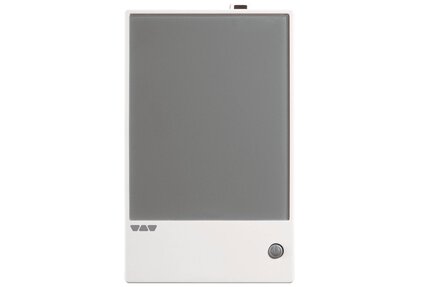
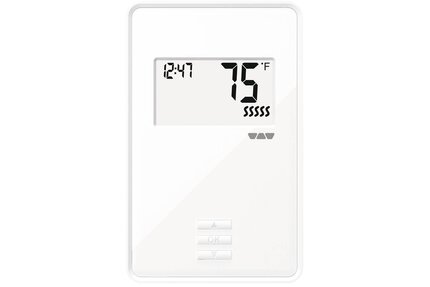
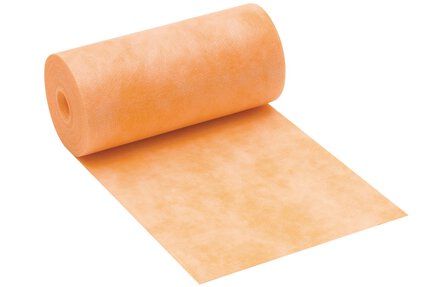
Schluter®-DITRA-HEAT-E-HK
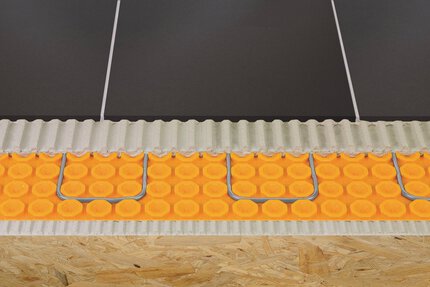
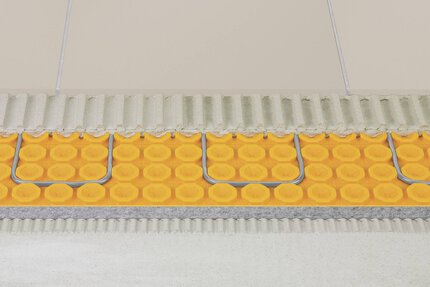
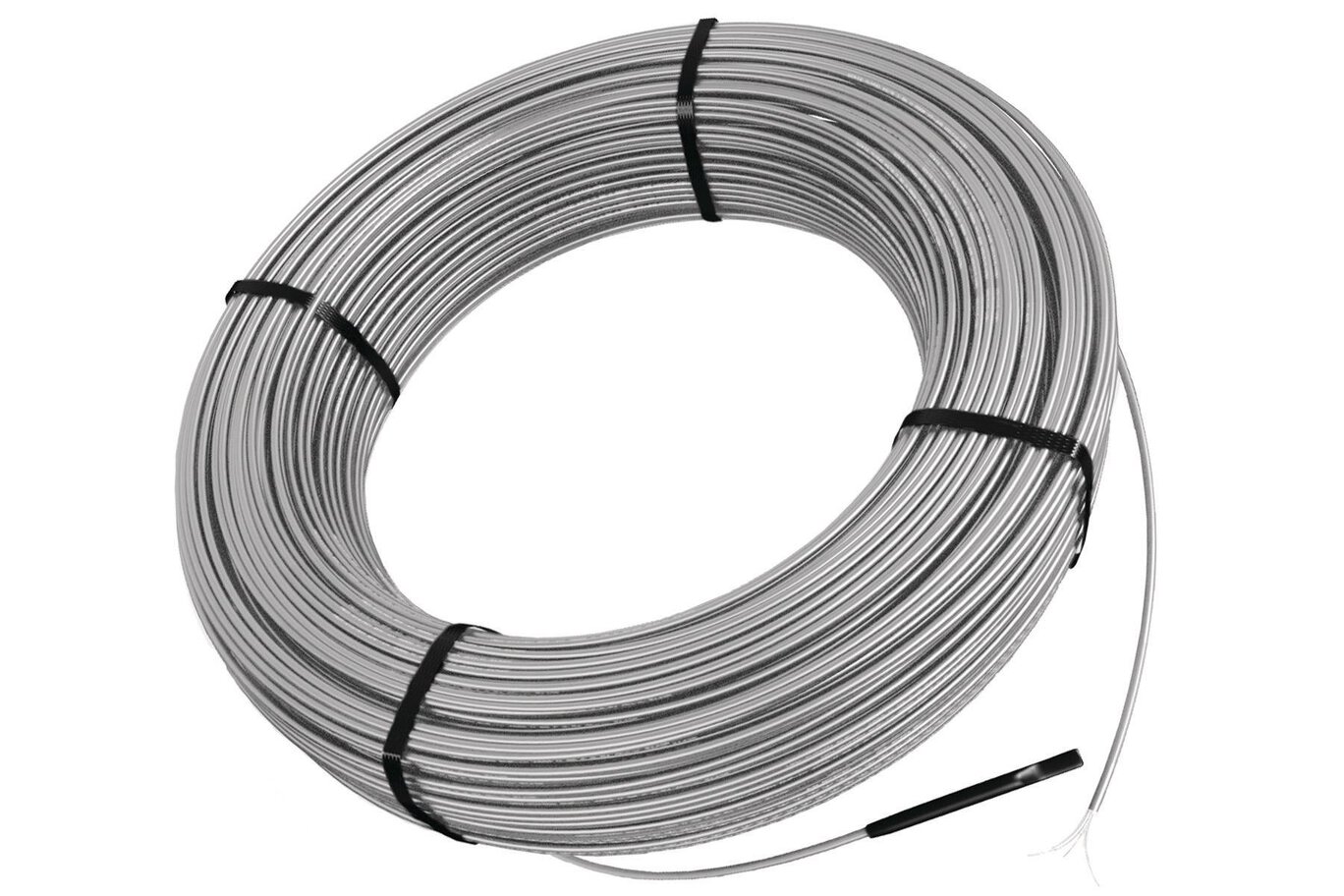
Electric radiant floor heating cables used with DITRA-HEAT membrane

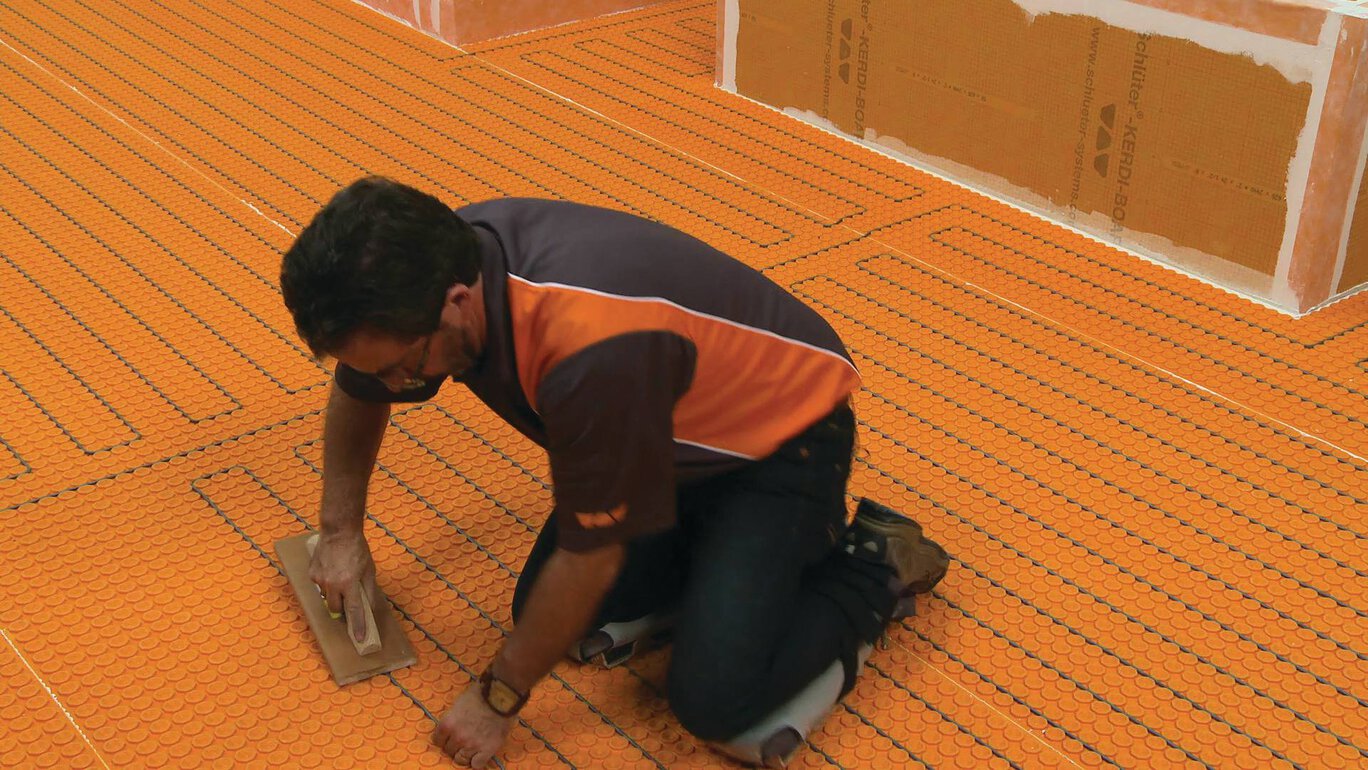
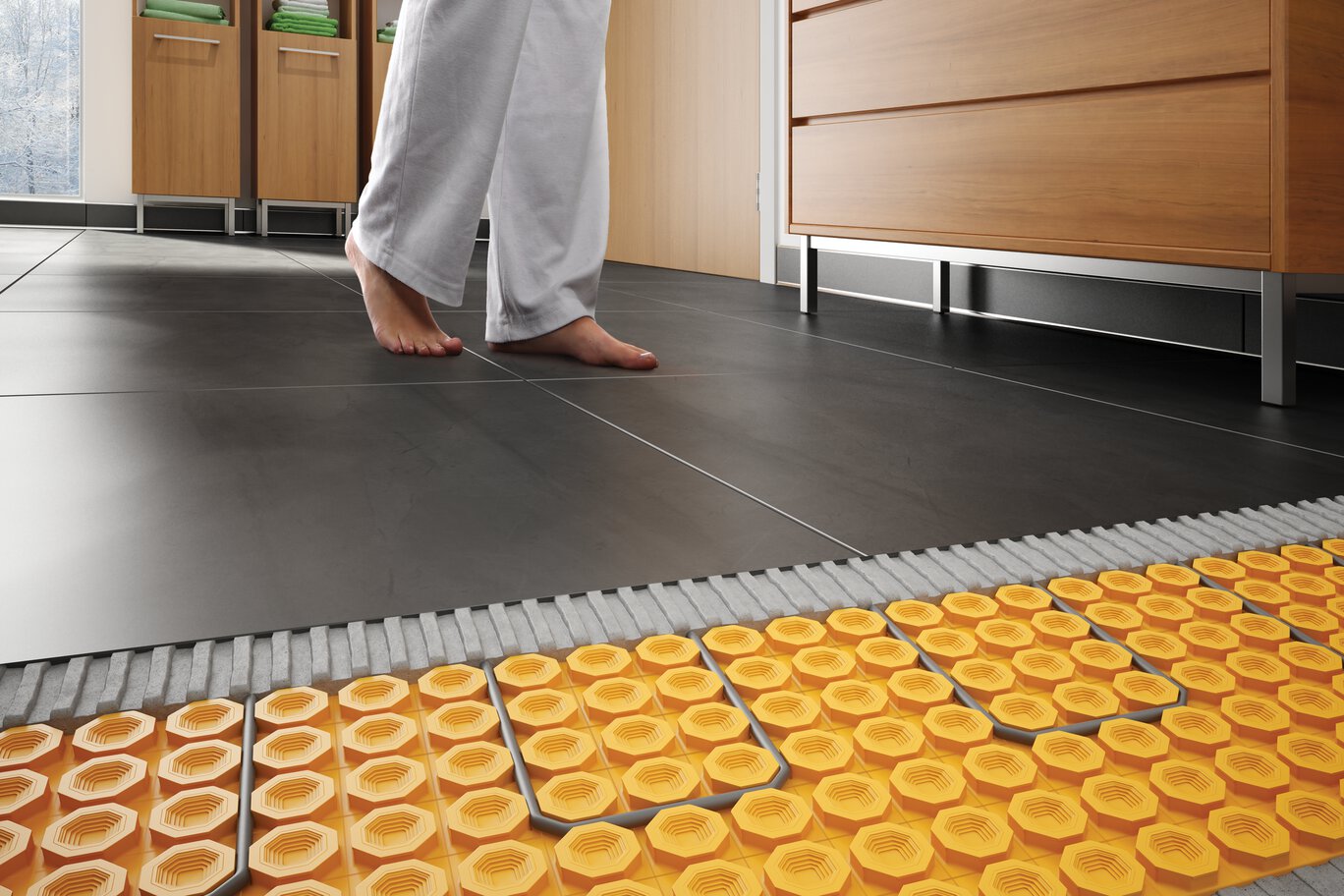
- Cables snap into the membrane; clips and fasteners are not required
- No self-levelers required to encapsulate the cables; installation time significantly reduced
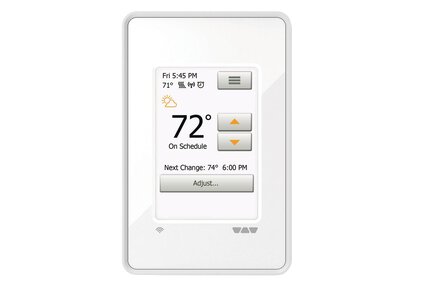
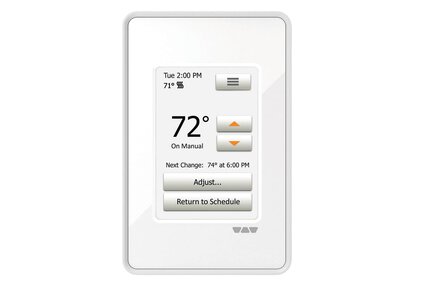
- No return to thermostat required
- Produces virtually zero electromagnetic fields
- 120 V and 240 V options available in a variety of lengths
- Provides electric floor warming for use beneath tile, stone, or other resilient floor coverings (e.g. LVT)
- Note: Two floor temperature sensors are provided with the heating cables. These can be installed at the same time as the cable.
Find recommended accessories here
IMPORTANT Ordering Information for Schluter®-DITRA-HEAT Cables
- Do not purchase a heating cable that is the same size as the area to be tiled; you will be left with too much heating cable!
- Very important: Never CUT or modify the heating cable in any way. This would change the cable resistance, will cause damage to the cable, and could cause cable overheating.
- A cable spacing of 3 studs is standard.
- Cable may also be spaced at continuously alternating 3 stud – 2 stud intervals in isolated areas or over the entire floor. This practice may be desirable to increase heat output (e.g., over uninsulated on or below grade concrete subfloors) or to consume more cable length in a given area (e.g., when using the standard 3 stud spacing doesn’t allow the selected cable to fit the floor area and respect minimum spacing requirements from walls, partitions, etc.)
- A cable spacing of 4 studs is not recommended, as it can produce inconsistent floor surface temperatures.
- Minimum spacing from walls, partitions, and fixed cabinets is 2" (50 mm).
- Minimum spacing from other heat sources (baseboard heaters, other fixed heating devices, fireplaces, etc.) is 8" (200 mm).
- Minimum spacing from any plumbing drain and forced air heating duct is 4" (100 mm).
- Minimum spacing from centerline of toilet drains is 7" (180 mm).
- NEVER install the heating cable under vanities with no air space beneath, bathtub platforms, free standing bathtubs with no air space beneath, kitchen cabinets and islands, any other fixtures in storage or clothing closets. Excessive heat will build up in these confined spaces and may cause cable overheating.
- NEVER install the heating cable under or through a wall, partition, or through a floor.
- NEVER install the factory splice (i.e., black plastic junction between the cold lead and gray heating cable) in the wall. This will cause overheating, system failure, and could cause damage. This splice must be installed entirely under the floor covering, as shown in the heating cable installation instructions.
- It is helpful to plan the location of a buffer zone, as it is not always possible to predict where the heating cable will end. The buffer zone is an area where heating is not essential, typically behind a toilet or adjacent to a door opening. This area allows for placement of excess heating cable. Heating cables may also be installed 6" (150 mm) from the wall to create a buffer zone.
- Heating cable testing is required while the heating cable is on the spool and at two subsequent steps during installation to ensure cable quality and for warranty purposes. A megohmmeter is required for the insulation resistance testing of the heating cables. Insulation resistance testing is strongly recommended.
- Consult a qualified electrician before ordering DITRA-HEAT heating cables to ensure you order the correct voltage for your installation.

DITRA-HEAT Estimator
Estimate your membrane and cable requirements without breaking a sweat.
Schluter® DITRA-HEAT-E-HK son cables calefactores de par trenzado diseñados para su integración con la membrana de desacoplamiento DITRA-HEAT en aplicaciones de calefacción de pisos interiores.
Todos los substratos deben estar limpios, parejos y ser capaces de soportar cargas. Deben eliminarse las superficies que impidan la adherencia antes de aplicar DITRA-HEAT. Para la guía completa de instalación y los criterios de garantía, puede descargar y consultar el Manual de instalación de Schluter® DITRA-HEAT o ver en línea el video de instalación.
Nota: el tipo, espesor y formato de las baldosas o piedras del revestimiento deben ser adecuadas para la instalación deseada. El formato mínimo de las baldosas es de 2" x 2" (5 cm x 5 cm).
Las aplicaciones con formatos de baldosas inferiores a 2" x 2" (5 cm x 5 cm) requieren consideraciones especiales. Póngase en contacto con los representantes del servicio técnico de Schluter-Systems en el 800-472-4588 (EE. UU.) o en el 800-667-8746 (Canadá) para obtener más información sobre los requisitos de instalación y la elegibilidad para la garantía.
Alternate Floor Coverings over DITRA-HEAT Revestimientos de pisos alternativos sobre DITRA-HEAT, consulte DH-AFC > (descargar el Boletín técnico Revestimientos de pisos alternativos sobre DITRA-HEAT) y el Manual de instalación de Schluter® DITRA-HEAT para una guía completa de instalación.
Utilice nuestra calculadora DITRA-HEAT para saber qué productos necesita para completar su proyecto.
FAQ
¿Cuál es la distancia mínima entre nódulos cuando se instalan los cables calefactores Schluter®-DITRA-HEAT-E-HK?
La separación estándar entre cables es de 3 nódulos. Sin embargo, el cable también puede espaciarse a intervalos alternos continuos de 3 nódulos-2 nódulos en zonas aisladas…
Read more¿Se pueden instalar cables calefactores Schluter®-DITRA-HEAT-E-HK en un banco de ducha?
Sí, los cables calefactores DITRA-HEAT-E-HK pueden instalarse en la superficie superior de los bancos de ducha. Se debe tener cuidado al instalar...
Read more¿Se pueden instalar cables calefactores de otros fabricantes con la membrana Schluter®-DITRA-HEAT?
Los cables calefactores DITRA-HEAT-E-HK están especialmente diseñados para integrarse con la membrana DITRA-HEAT...
Read more¿Por qué se recomienda especialmente la prueba del megaóhmetro para los cables calefactores Schluter®-DITRA-HEAT-E-HK?
La prueba de resistencia del aislamiento está pensada para detectar roturas muy pequeñas en el aislamiento del cable antes, durante y después de la instalación...
Read more¿Dónde puedo encontrar un megóhmetro para realizar la prueba de resistencia del aislamiento?
Los megaóhmetros se pueden encontrar en mayoristas locales de suministros eléctricos o en minoristas en línea como Grainger, Mouser Electronics, Amazon, etc...
Read moreMi megóhmetro indica OL o I
¿es ésta una buena lectura para la prueba de resistencia del aislamiento del cable calefactor?
Read more¿Cómo conecto los cables calefactores Schluter®-DITRA-HEAT-E-HK a un termostato Schluter®-DITRA-HEAT-E-RSD?
Para obtener instrucciones sobre la conexión del termostato DITRA-HEAT-E-RSD, consulte las Guías del usuario del termostato Schluter®-DITRA-HEAT o...
Read moreMe he quedado sin espacio para los cables calefactores, ¿puedo cortarlos o meterlos debajo de los armarios?
NUNCA corte o modifique el cable calefactor de ninguna manera. Esto cambiaría la resistencia del cable, causaría daños en el cable y podría provocar un sobrecalentamiento ...
Read more¿Cómo seleccionar la longitud correcta del cable calefactor Schluter®-DITRA-HEAT-E-HK para mi proyecto de calefacción de pisos?
La membrana Schluter®-DITRA-HEAT se selecciona en función del tamaño de la superficie que se va a revestir con baldosas. El cable calefactor DITRA-HEAT-E-HK se selecciona...
Read more¿Se pueden instalar cables calefactores Schluter®-DITRA-HEAT-E-HK en las paredes?
No, los códigos eléctricos norteamericanos no permiten el uso de cables calefactores en las paredes.
Read more¿Cuáles son las restricciones sobre dónde puedo instalar los cables calefactores Schluter®-DITRA-HEAT?
Los cables calefactores DITRA-HEAT no pueden instalarse bajo lavabos sin espacio de aire debajo, plataformas de bañera...
Read more¿Se puede conectar más de un cable calefactor DITRA-HEAT-E-HK a los termostatos Schluter®-DITRA-HEAT-E?
Se pueden conectar varios cables calefactores DITRA-HEAT-E-HK y controlarlos con un solo termostato DITRA-HEAT-E si la corriente total es inferior a 15 amperios…
Read more¿Cómo elegir entre los cables calefactores Schluter®-DITRA-HEAT-E-HK de 120 V y 240 V?
No existe un único factor determinante. En general, los cables calefactores de 120 V deben conectarse a fuentes de alimentación de 120 V....
Read moreEvaluación y listados
Los cables calefactores Schluter®-DITRA-HEAT-E-HK Heating Cables están verificados por CSA a CAN/CSA-C22.2 No.130-16 (Canadá)
Los cables calefactores Schluter®-DITRA-HEAT-E-HK están certificados por CSA a UL 1673 (EE. UU.)
Los cables calefactores Schluter®-DITRA-HEAT-E-HK están listados por UL 1683 (EE. UU.) y CAN/CSA-C22.2 No. 130-16 (Canadá)

Watch & Learn
About the product
Cómo instalar el sistema eléctrico de calefacción para pisos DITRA-HEAT en una ducha
Find some existing tutorials and project documentation videos to learn how-to get the best out of our products - for more fun in your life, start now!
Watch more videos / playlists