Understanding Tile Edge Trim: Purpose, Options, and Installation Tips
Tile edge trim—also known as a tile edge profile—is more than just a decorative touch. It protects exposed tile edges, prevents chipping, and creates smooth, professional-looking transitions between different surfaces.
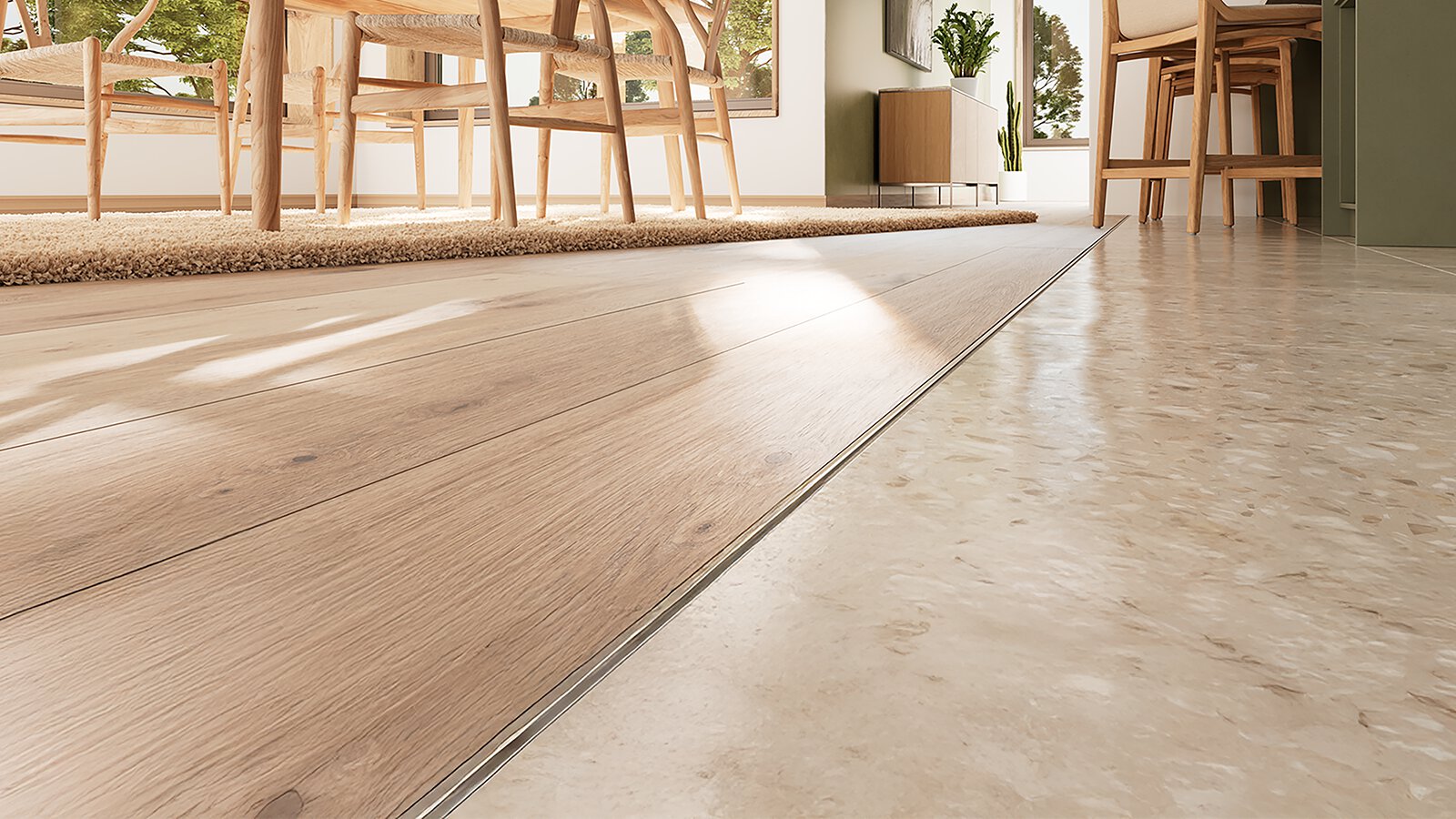
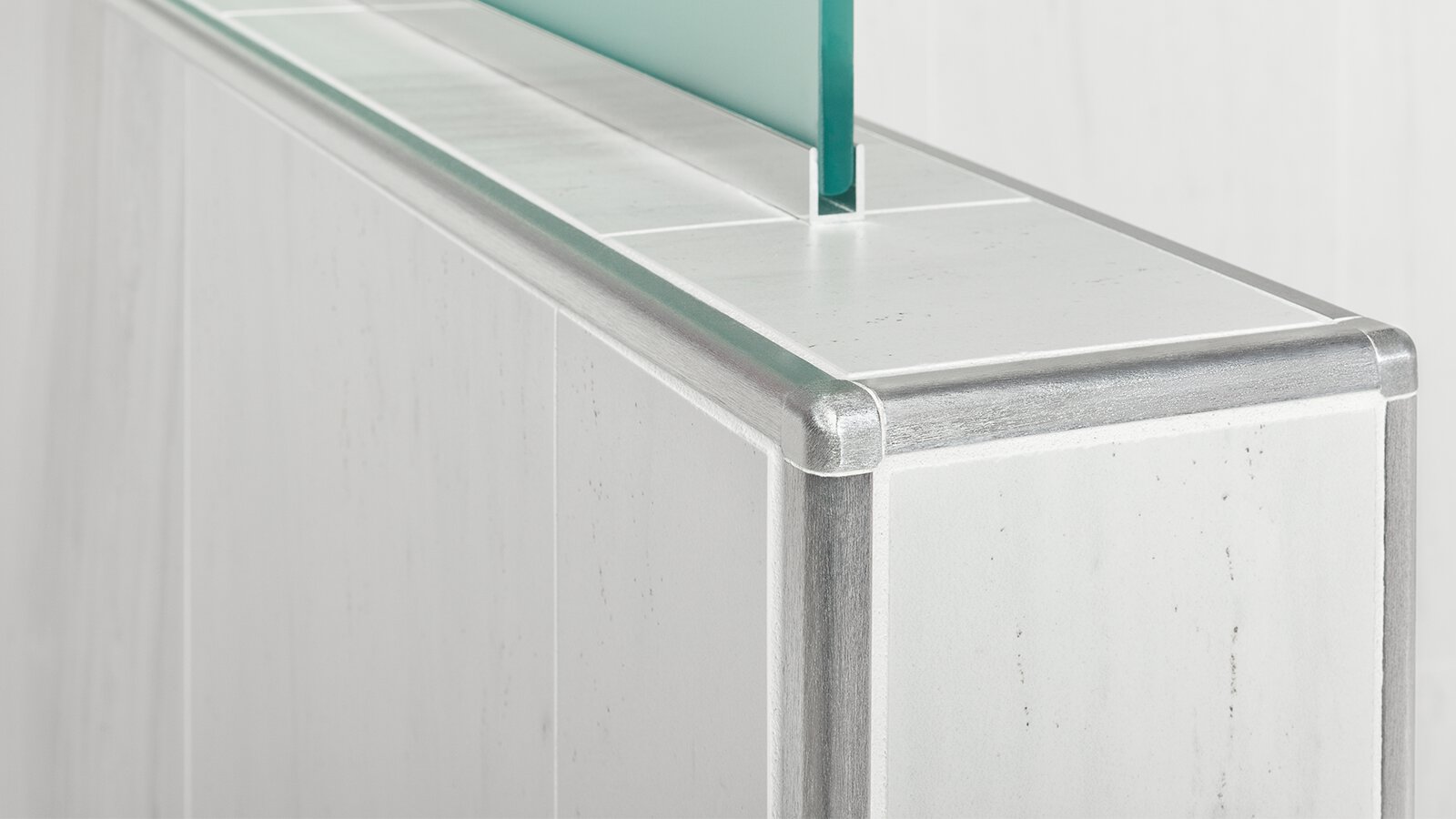
In showers, backsplashes, floors, and countertops, profiles help tile installations last longer and look better. Below, we’ll explore why tile edge trim is necessary, where it’s used, and how to choose the right one for your project.
Is Tile Edge Trim Necessary?
In short, yes—tile edge trim is essential for both durability and design. Raw tile edges can be sharp, uneven, and prone to cracking, especially in high-traffic areas like kitchens and bathrooms. Installing trim safeguards these edges, eliminates sharp corners, and provides a clean, polished look that ties the installation together.
Beyond appearance, trim can also help seal transitions and corners, preventing moisture penetration into the substrate, a key advantage in wet areas like showers and tub surrounds.
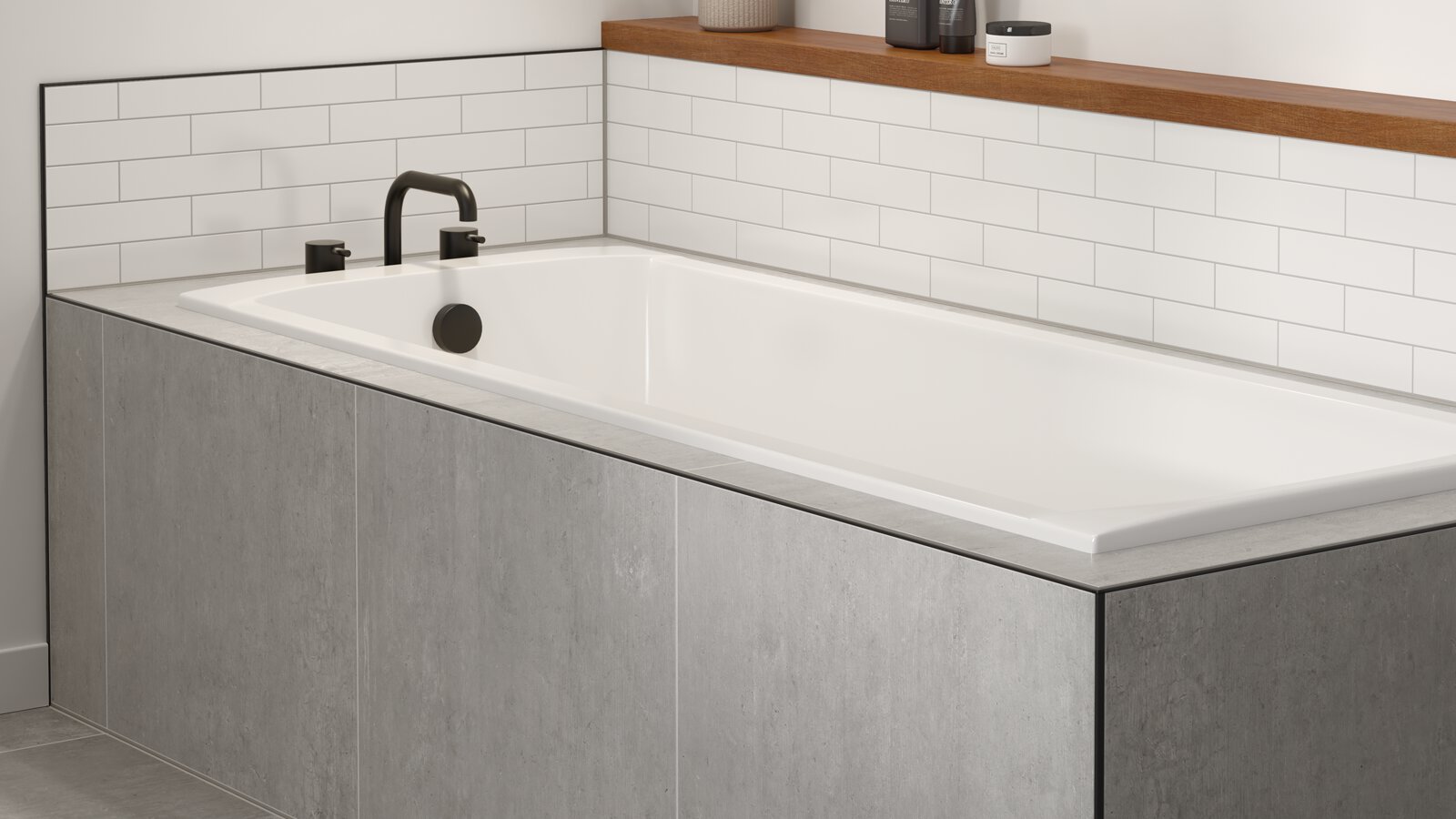
What Is the Purpose of Tile Edge Trim?
- Protection:Trim shields tile edges from chipping and damage caused by impact or movement.
- Aesthetic finish: It creates clean, crisp borders that elevate the overall appearance of a tiled surface.
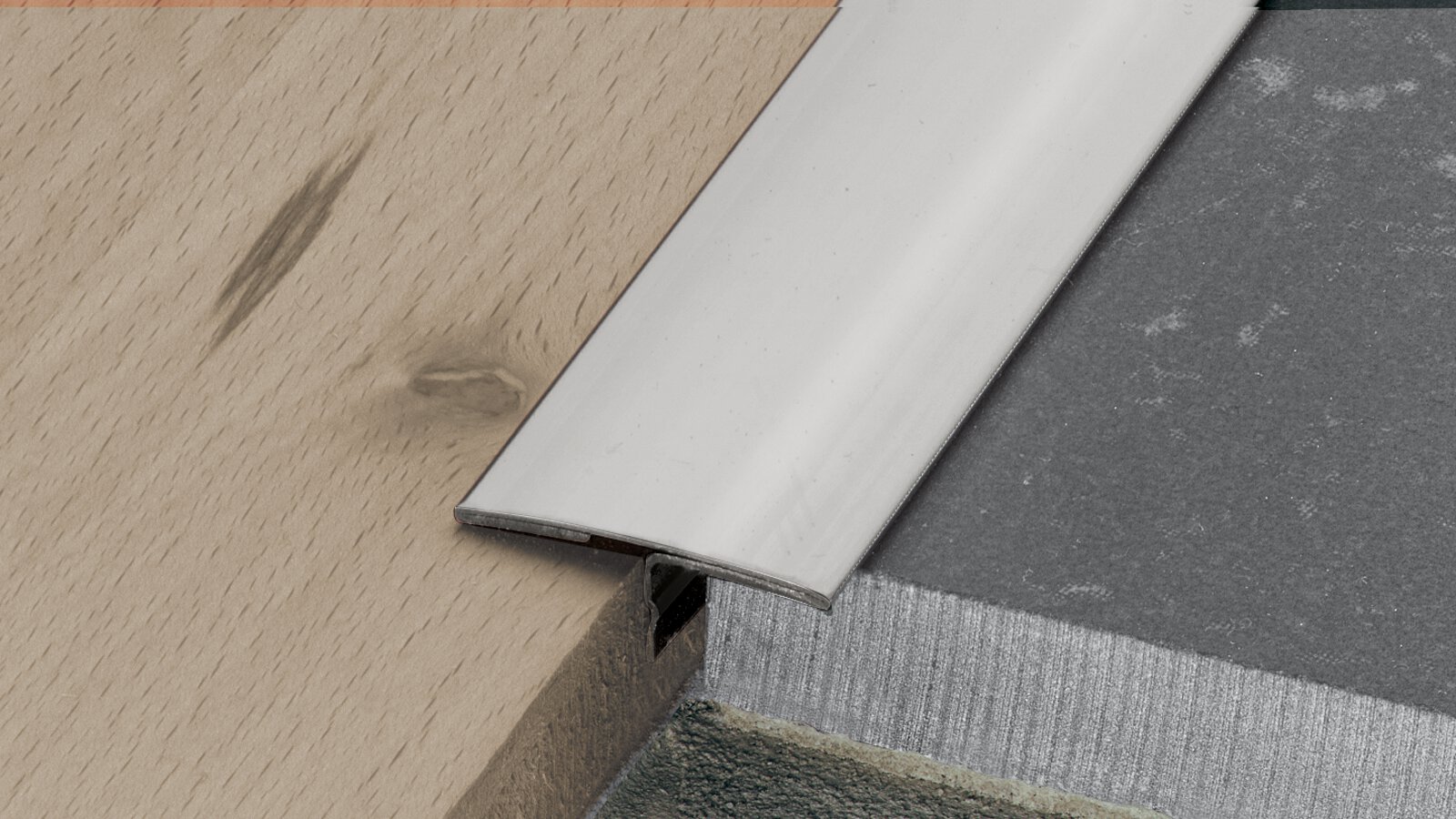
- Smooth transitions: Trim bridges gaps between tile and other flooring materials like wood, carpet, or vinyl, ensuring a seamless, professional finish.
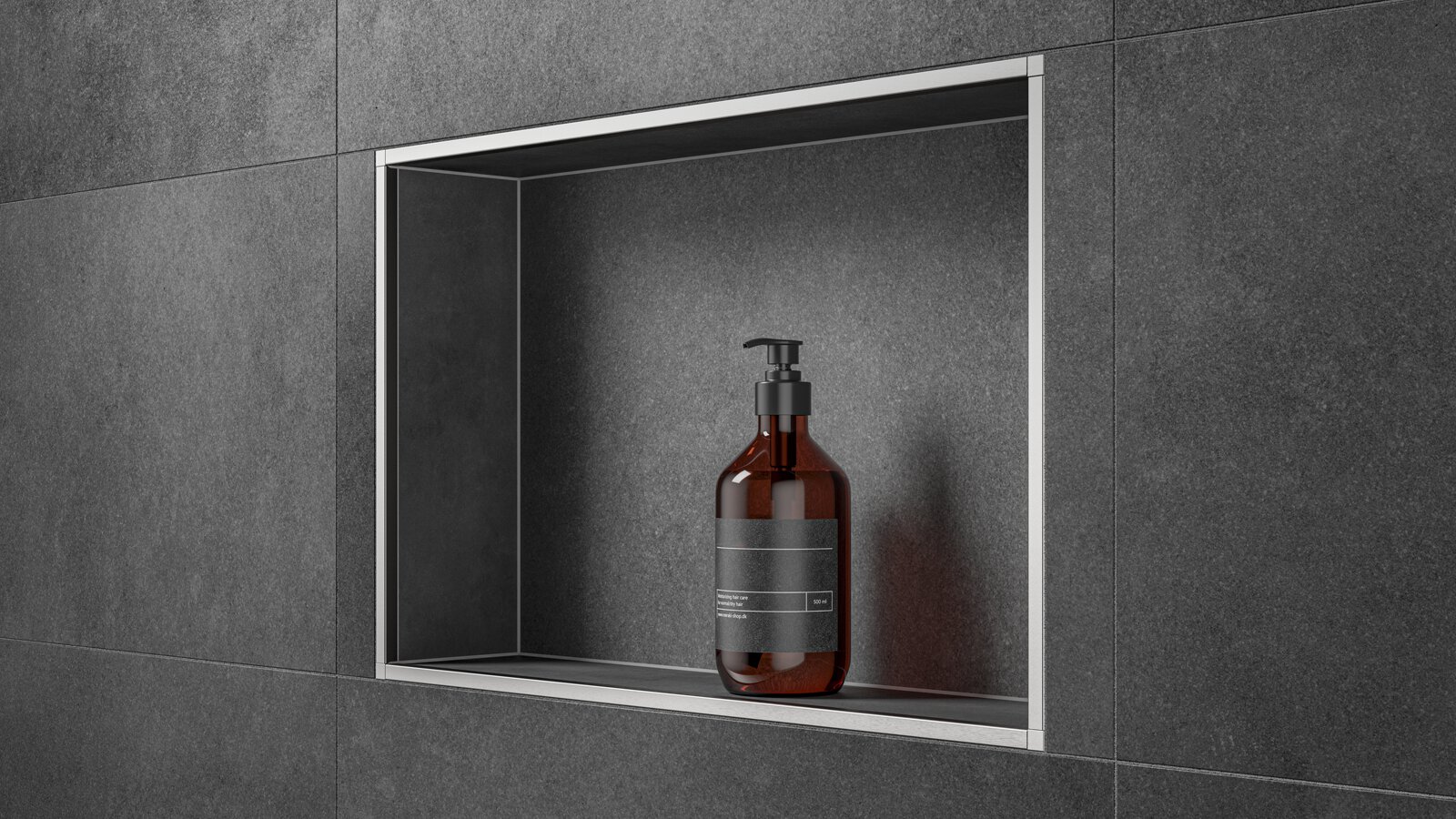
In showers and other wet zones, trims can also play a role in maintaining watertight edges—particularly around niches, benches, wall-to-floor transitions, and wall-to-wall transitions—helping prevent long-term moisture damage.
What Are the Different Types of Tile Edge Trim?
Tile edge trims (or profiles) come in a wide range of materials, shapes, and finishes, making it easy to find a look that complements your design.
- Material options: Aluminum, stainless steel, and PVC trims are the most common. Aluminum offers an extensive selection of finishes and colors, stainless steel provides excellent durability and corrosion resistance, and PVC is ideal for light-duty or budget-friendly applications.
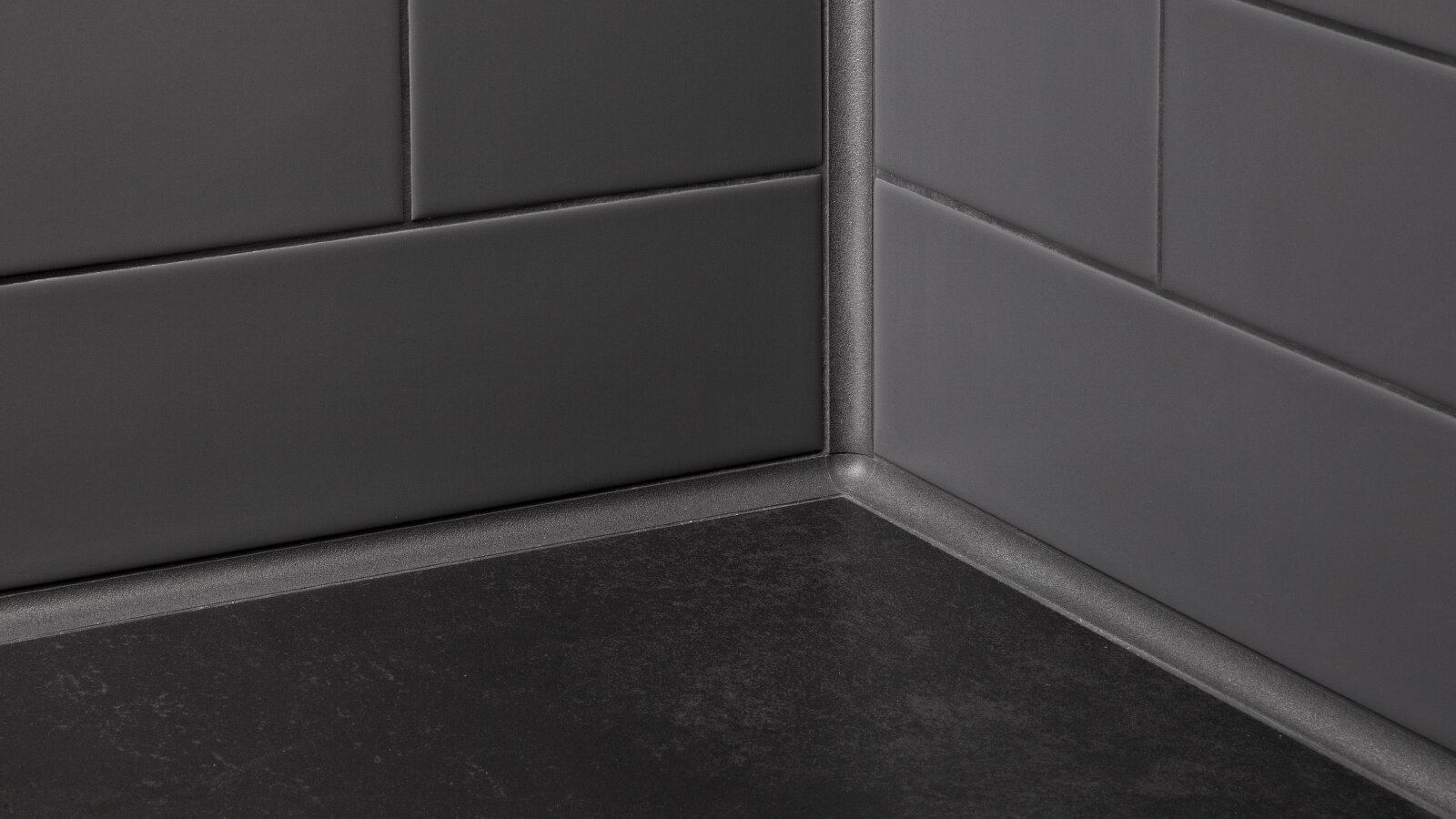
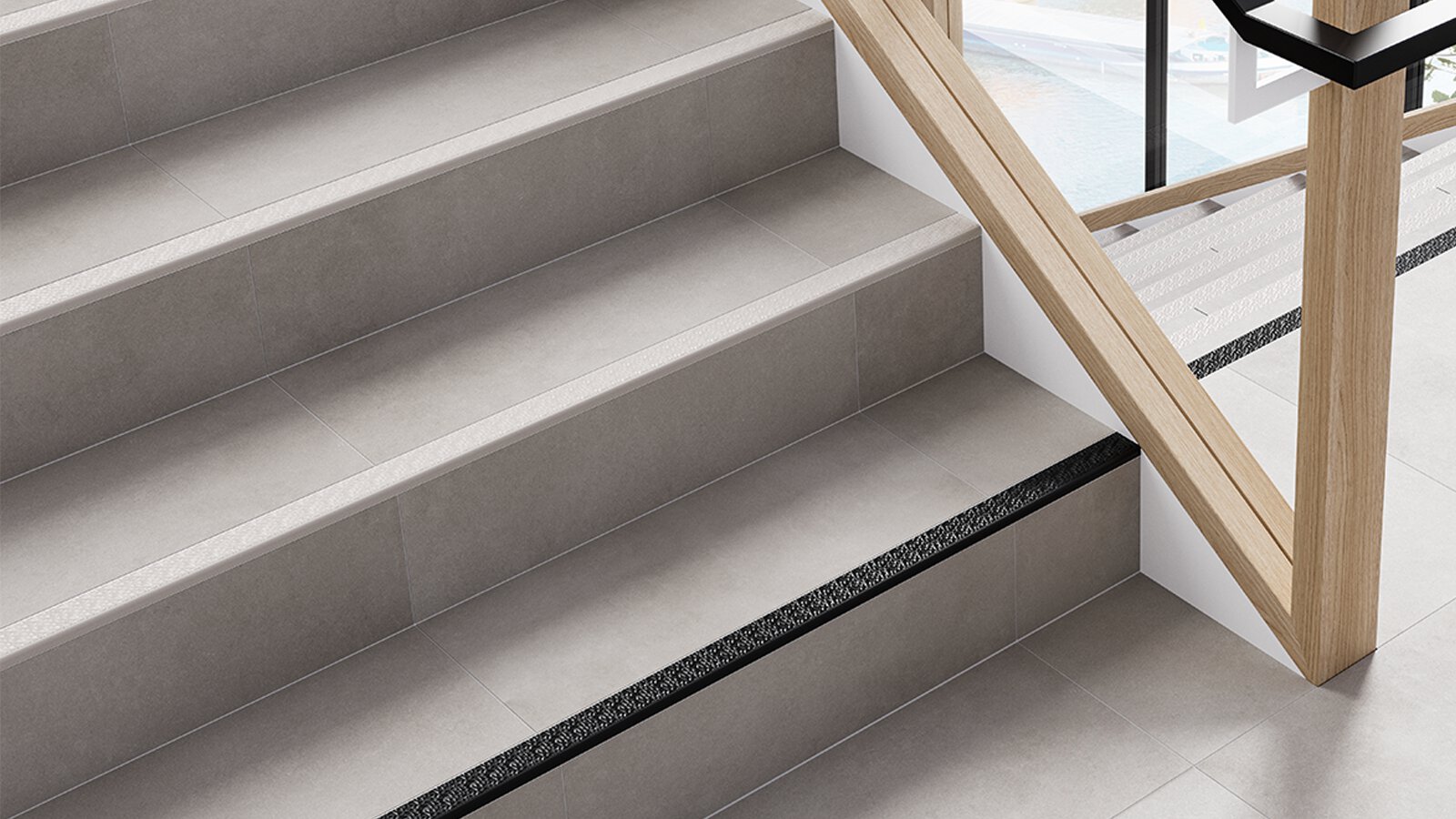
- Profile shapes: Rounded, square, and flat shapes can be chosen based on the design intent. Cove-shaped profiles make inside corners easier to clean, while specialized stair-nosing and transition profiles add both safety and accessibility.
- Design flexibility: Trim can either blend with the tile for a subtle, minimalist appearance or contrast it for a bold, eye-catching accent.
Pro tip:
For a versatile and timeless option, explore JOLLY profiles, ideal for walls, backsplashes, and other tile transitions.
Can You Add Tile Edge Trim After Tiling?
While tile edge trim is usually installed at the same time as the tile, certain profiles are designed for retrofit applications.
T-shaped trims can be installed after tiling to cover exposed edges or to transition between existing floor surfaces of different heights. These retrofit profiles fit snugly into the gap between surfaces, instantly giving your space a clean, finished appearance without the need for extensive renovation.
How Do You Install Tile Edge Trim?
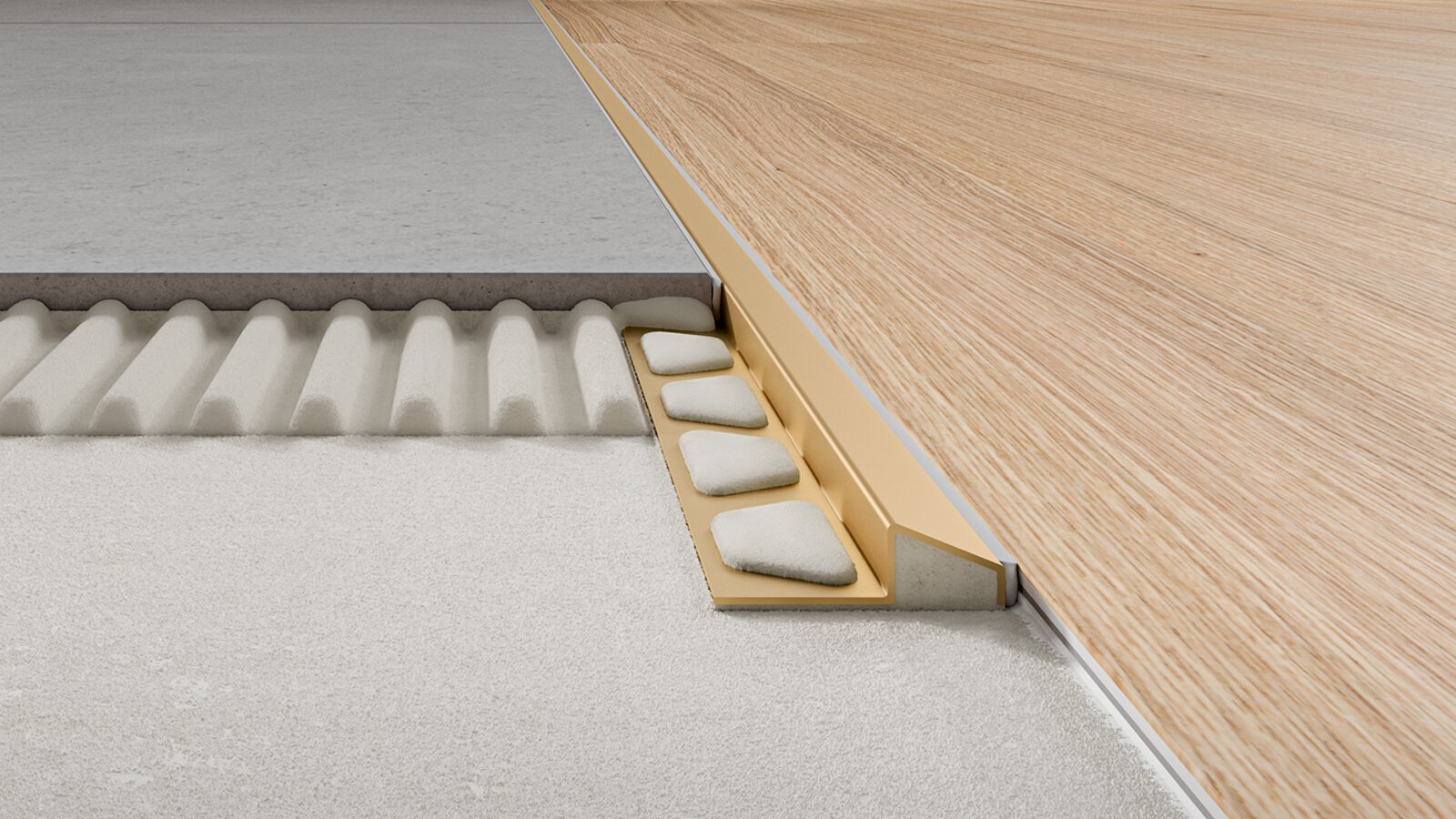
In most cases, tile edge trim is set into the same thin-set mortar used for the tile. The anchoring leg—a perforated flange on the profile—is embedded into the substrate beneath the edge of the tile and locked into place as the mortar cures.
Prefabricated inside and outside corners make it easy to finish edges neatly, while connectors ensure continuous, uniform lines even in larger installations.
For a step-by-step demonstration, watch our tile trim installation video to see how straightforward the process can be.
Tile Edge Trim Inspiration
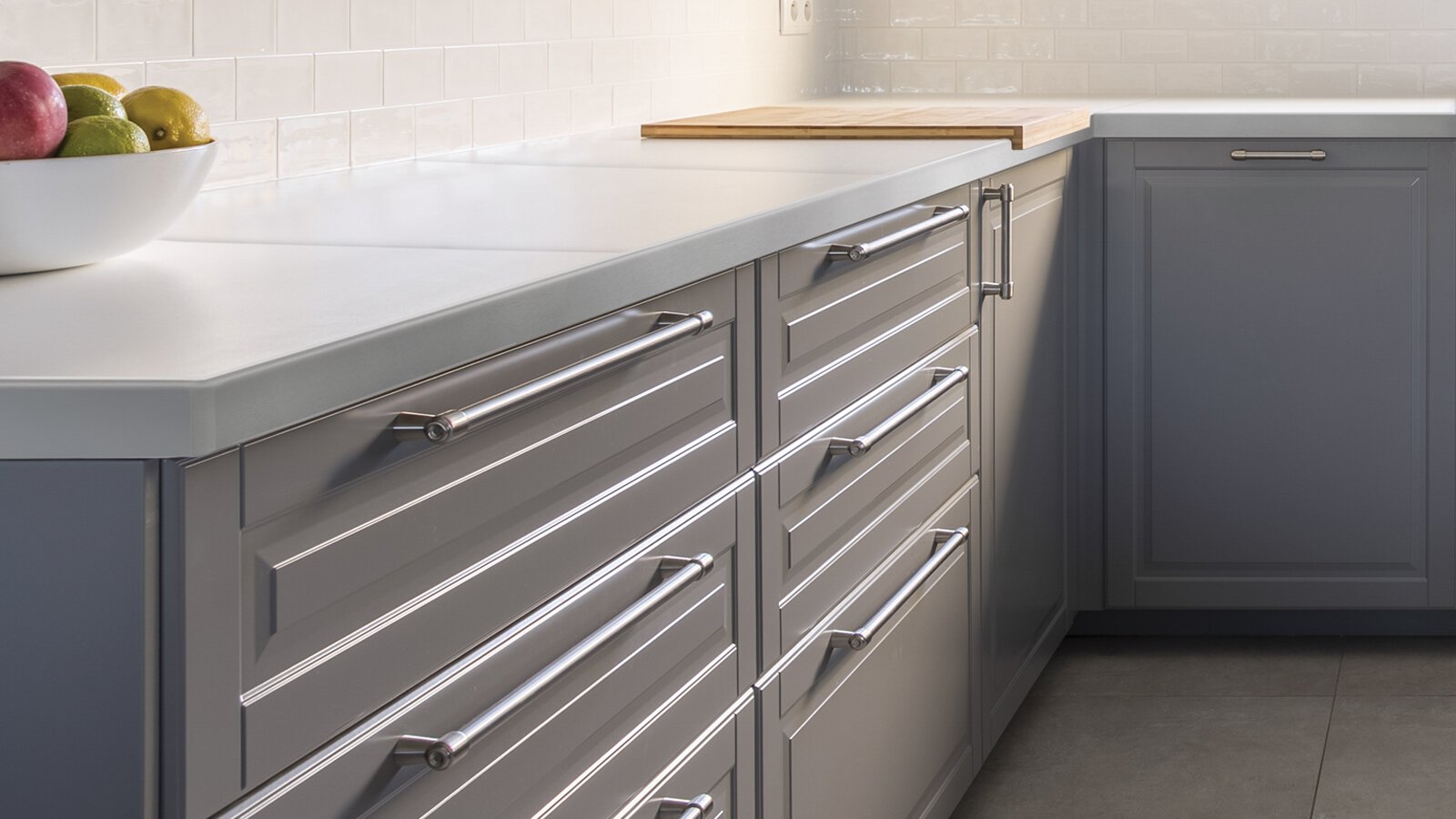
Think of tile edge trim as jewelry for tile: it can blend in subtly or make a bold design statement.
A matte black profile outlining a grey shower niche, for instance, adds striking contrast and ties together other dark accents like shelves or drains. Conversely, a matching trim creates a seamless, understated finish that feels refined and cohesive. Browse our case studies to see how tile edge trims elevate real residential and commercial spaces, from modern kitchens to luxury spa-style bathrooms.
Choosing the Right Tile Edge Trim for Your Project
- Tile thickness: Profiles come in multiple heights, so choose one that aligns with your tile for a flush finish. A profile that’s too tall can create a tripping hazard, while one that’s too short won’t provide full edge protection.
- Placement: Wall edges, floors, countertops, and shower niches all require different types of trim. Look for specialized profiles made for each area.
- Practicality: If you’re working in corners or spaces prone to dust, cove-shaped trims make cleaning easier. For accessibility or aging-in-place considerations, transition or ramp profiles help reduce height differences between adjoining surfaces.
With so many styles available, profiles can complement virtually any tile—from classic ceramics to large-format porcelain and even luxury vinyl tile (LVT).
Looking for more tips and tricks on choosing the right size tile edge trim? Check out this video to learn more.
Conclusion
Tile edge trim may seem like a finishing touch, but it’s an essential part of a durable, professional tile installation. It protects against wear and tear, improves safety, and gives every edge a refined, cohesive look.
Whether you prefer a minimalist reveal that disappears into the tile or a bold accent that frames it beautifully, there’s a profile that fits your space, style, and purpose.