
When Sustainability Becomes Personal
By Daniel Marvin
Rose* (*not her real name) was on a mission. A family member with extreme chemical sensitivities was moving into her home, and she wanted to ensure every product used in the renovation would contribute to a healthier living environment. She wasn't just looking for answers to her questions—she needed reassurance that the products she had selected would do what she needed, and she wasn't going to stop until she had it.
My first contact with Rose actually came from the tile company whose products she would be using. Her list of questions was extensive, and because many of the installation products were from Schluter, the sustainability lead at the tile company—someone I've known for decades—reached out to me directly. That phone call set off months of conversations with Rose.
We answer questions about our products every day, but Rose's questions were unlike most. They ranged from installation details ("How large a gap should be left at the perimeter to accommodate movement?") to health concerns ("Do your products contain antimicrobial compounds or biocides?") to product performance ("What will the warranty be?").

Most of the questions I could answer myself. Others required the expertise of our sales representative for the area, Tim Shockey. We coordinated our responses, Tim visited the jobsite, and after months of conversations, questions, and follow-up, Rose finally felt confident enough to move forward with her installation.
Her experience also reminded me how much our sustainability journey has evolved. Even two years earlier, I wouldn't have been able to answer many of her questions. Since joining Schluter, one of my priorities has been expanding our product transparency through updated VOC testing, Health Product Declarations (HPDs), Safety Data Sheets, and Red List Free determinations.
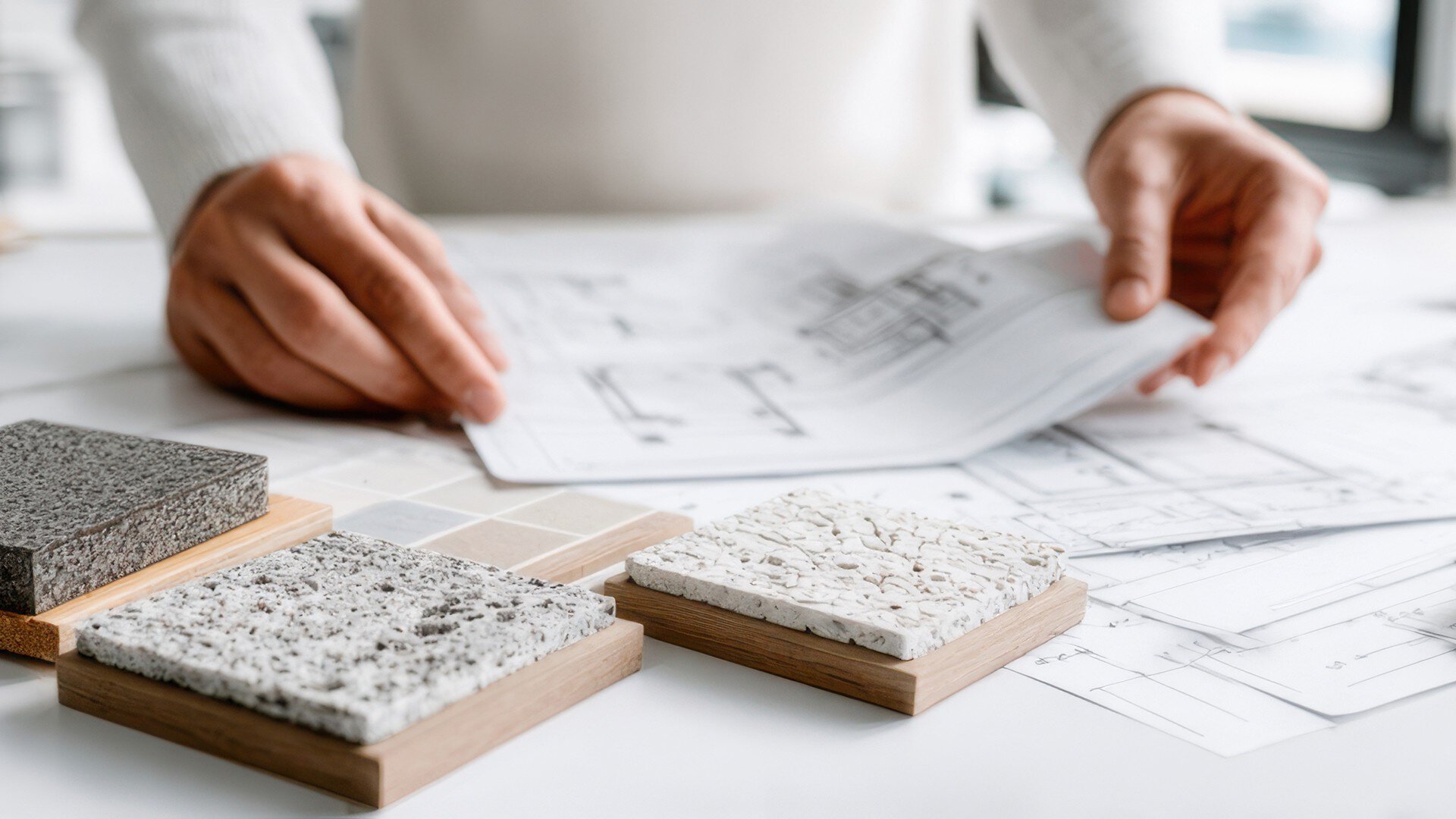
Because Rose was using DITRA, ALL-SET, KERDI-BAND, and our profiles, she needed information on each of those products. Fortunately, Schluter had already invested in the testing, documentation, and transparency needed to answer those questions with confidence.
Sustainability is often measured in certifications, declarations, and technical documents. But for Rose, it was deeply personal. She wasn't trying to earn points on a scorecard—she was trying to create a healthier home for someone she loved. Those documents mattered because they allowed us to provide more than information; they allowed us to provide reassurance.
Eventually, the questions stopped. Most of the time, that's where the story ends.
But Rose had one more surprise for us. She reached out to Schluter's leadership to let them know that the answers she received—and the reassurance she received—were appreciated. In that moment, someone who had once represented one of my biggest challenges became one of my most rewarding customer experiences.
She wrote:
"I would like to express that Dan Marvin and Tim Shockey have been outstanding professionals in answering my questions. I can't say enough about their responsiveness to assist me as I had to carefully select the appropriate (or best possible) products for the reason that we have a situation at home where health is an integral factor.
As you know in your industry and in others, selecting the right products is key, and this is becoming more common these days as chemicals play a big impact on a person's health, especially when they are already ill. This is the reason responsiveness and answering all my questions was so important, and both Dan and Tim have done that with me.
I could not have asked for better professionals. Both Dan and Tim are great assets to your company."
Of course, that recognition belongs to far more people than Tim and me. It belongs to the scientists who formulate our products without Red List chemicals, the teams who manufacture them, our Technical Services professionals who answer installation questions every day, and the leadership at Schluter that recognizes the value of investing in healthier products and greater product transparency. Rose's experience was truly a team effort.

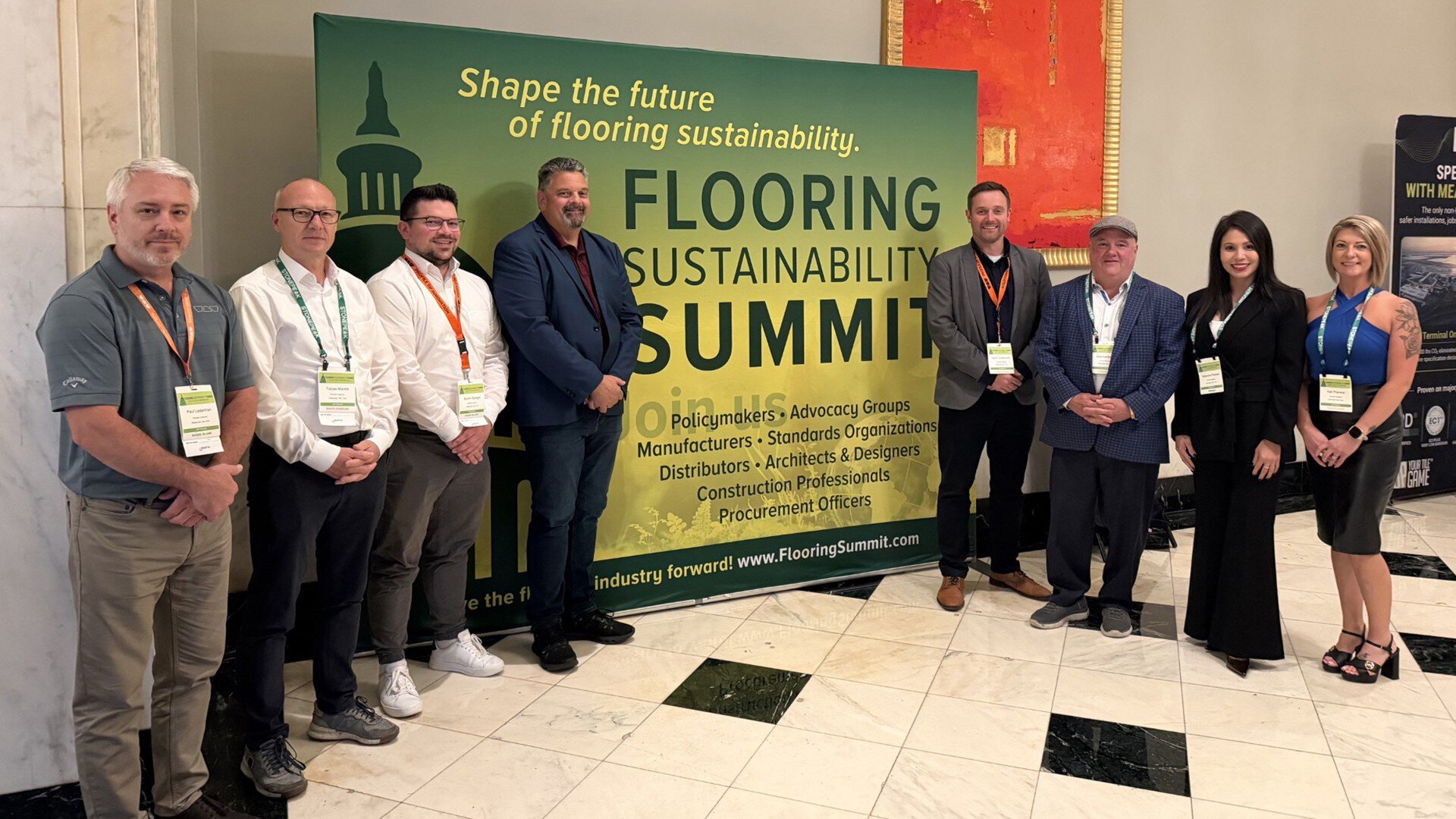
I've been thinking about Rose ever since attending the Flooring Sustainability Summit in Washington, DC. During the closing keynote, Cheryl Durst challenged us to present sustainability information conversationally by telling stories instead of simply sharing data.
Rose reminded me why.
Environmental Product Declarations, VOC testing, Health Product Declarations, and Red List Free determinations are all important. But they matter because they help us answer real questions from real people making important decisions for the people they care about.
Sometimes sustainability isn't about checking a box or earning a certification. Sometimes it's about giving someone the confidence to create a healthier home for the person they love.
Rose's story is just one example of why transparency matters. To learn more about Schluter's sustainability initiatives and explore our Environmental Product Declarations (EPDs), Health Product Declarations (HPDs), VOC testing, and other product transparency resources, visit our Sustainability page.
Frequently Asked Questions
Browse commonly asked questions about Schluter's sustainable efforts and resources.