Schluter®-DILEX-KSN
Perfil de juntas de movimiento con inserto de goma reemplazable

- Disponible en cuatro nuevos colores para simplificar la elección de la lechada a juego
- Diseñado para permitir el movimiento y reducir las tensiones en superficies revestidas de grandes dimensiones
- Elimina la necesidad de sellado
- Previene las roturas y el astillamiento de las baldosas
- No necesita mantenimiento.
- Ofrece una protección segura de los bordes en las superficies expuestas a un tráfico comercial intenso, tales como almacenes, instalaciones de producción y centros comerciales.
Encuentre aquí los accesorios recomendados

Estimador de perfiles
Descubra lo que necesita para proteger las baldosas y facilitar las transiciones.
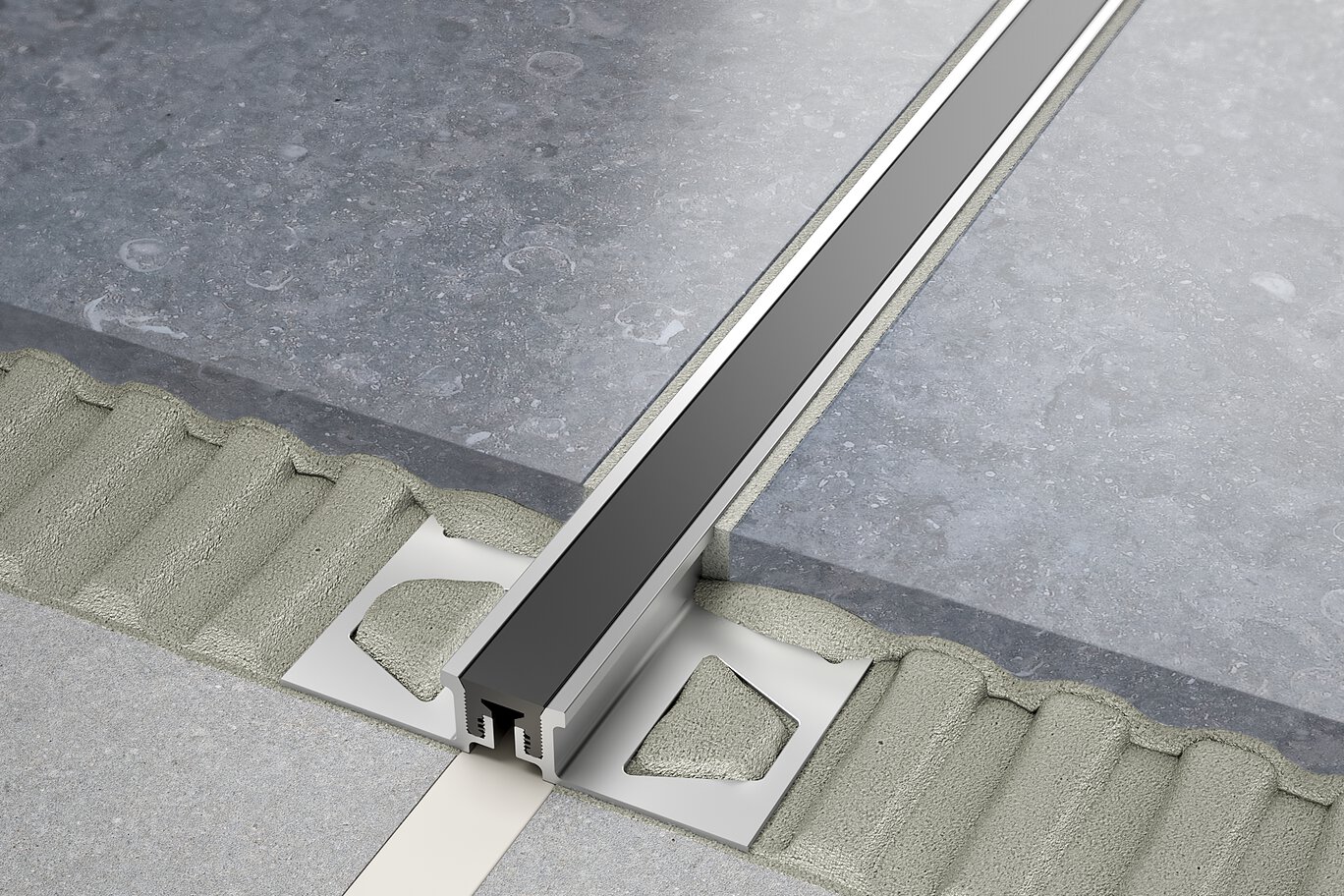
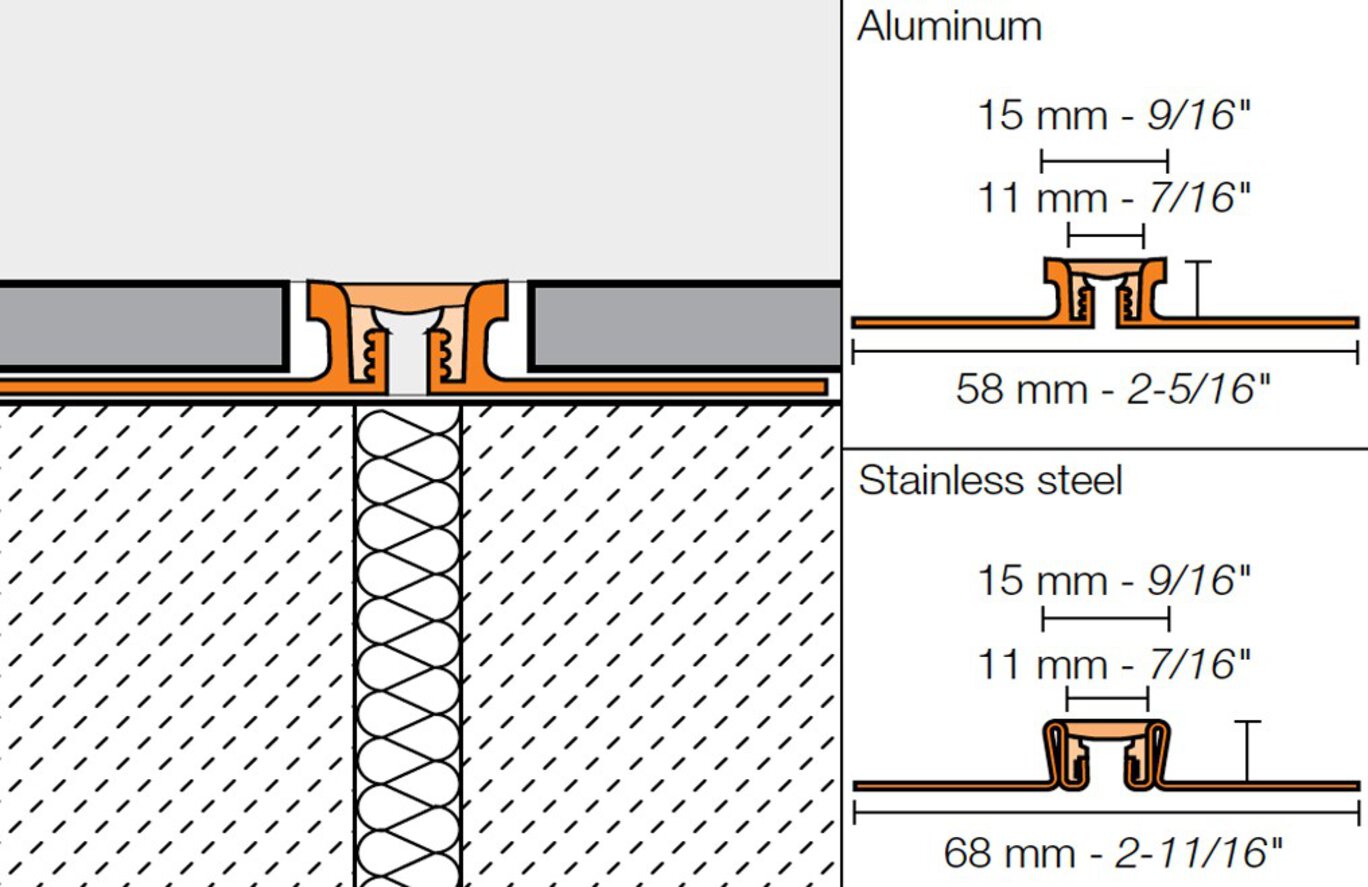
Schluter® DILEX-KSN presenta dos alas de fijación perforadas trapezoidalmente, de acero inoxidable o aluminio, las que se fijan en la capa de mortero adhesivo protegiendo los bordes de las baldosas adyacentes. El perfil separa campos individuales en el revestimiento de baldosas y posibilita el movimiento por medio de una zona de movimiento de caucho termoplástico blando de 7/16" (11 mm), la que constituye también la superficie visible. El caucho termoplástico de la zona de movimiento puede ser reemplazado en caso de deterioro.
DILEX-KSN, con alas de fijación de acero inoxidable, brinda una protección segura para las superficies expuestas a un tráfico comercial intenso (por ej., almacenes, instalaciones de producción o centros comerciales).
El perfil Schluter® KERDI-BOARD-KSN no requiere mantenimiento ni cuidados especiales y es resistente al moho y a los hongos. Limpie el perfil regularmente con productos de limpieza domésticos comunes. El acero inoxidable expuesto al ambiente o a sustancias agresivas debe limpiarse regularmente con un limpiador doméstico suave, lo que mantiene su aspecto pulcro y reduce el riesgo de corrosión. Evite el uso de ácidos fuertes (por ej., ácido hidroclorhídrico, fluorhídrico) y de limpiadores alcalinos (por ej., lejía, amoníaco, cloruros). No utilice productos abrasivos ni herramientas. Las superficies de acero inoxidable adquieren un brillo cuando se tratan con productos pulidores de cromo.
La película oxidativa del aluminio puede quitarse con pulidores convencionales, pero se formará nuevamente.
El caucho termoplástico insertado en DILEX-KSN es reemplazable.
1- Seleccione el perfil de acuerdo con el espesor y formato de la baldosa.
2- Utilizando una llana dentada, aplique mortero de capa fina al área donde instalará el perfil. El perfil debe estar alineado directamente con las juntas de movimiento del substrato inferior.
3- Presione el ala de fijación perforada del perfil en el mortero y alinee.
4- Aplique una cantidad adicional de mortero en las alas de fijación perforadas para asegurar la cobertura total y el soporte de los bordes de la baldosa.
5. Empotre sólidamente las baldosas de modo que la superficie revestida quede a ras con la parte superior del perfil
6- Debe dejarse una junta de aprox. 1/16" - 1/8" (1,5 - 3 mm) entre la baldosa y el perfil.
7- Rellene completamente la junta con lechada o material de fraguado.
Garantías
FAQ
¿Cómo corto los perfiles?
Los perfiles Schluter® están disponibles en diferentes materiales, por lo que los métodos de corte varían. A continuación, se indican las mejores prácticas de corte según...
Leer másDibujos CAD
Especifique nuestros productos utilizando el


Ver y aprender
Acerca del producto

Introducción los perfiles Schluter®

Consejos para elegir la altura de su perfil en relación con su baldosa
Encuentre tutoriales y videos de documentación de proyectos para aprender cómo sacar mejor provecho de nuestros productos, ¡empiece ahora y diviértase!
Ver más vídeos / listas de reproducción


Perfiles de junta de movimiento / Juntas de superficie y de dilatación
Schluter®-DILEX-F
Perfiles de junta de movimiento / Juntas de superficie y de dilatación
Schluter®-DILEX-EDP
Perfiles de junta de movimiento / Juntas de superficie y de dilatación
Schluter®-DILEX-STF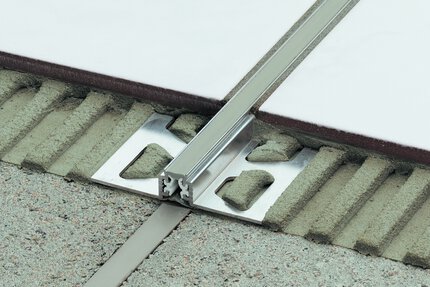
Perfiles de junta de movimiento / Juntas de superficie y de dilatación
Schluter®-DILEX-AKWS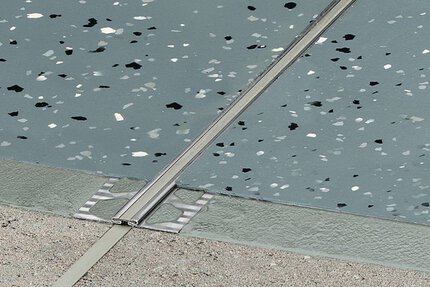
Perfiles de junta de movimiento / Juntas de superficie y de dilatación
Schluter®-DILEX-EKSB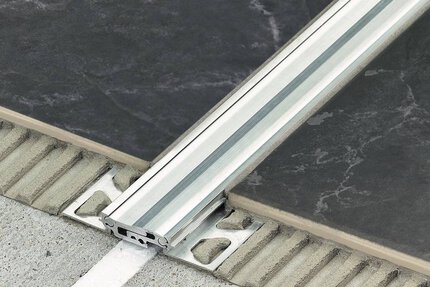
Perfiles de junta de movimiento / Juntas de superficie y de dilatación
Schluter®-DILEX-BT