Tres causas comunes de agrietamiento en pisos de loseta y cómo prevenirlas
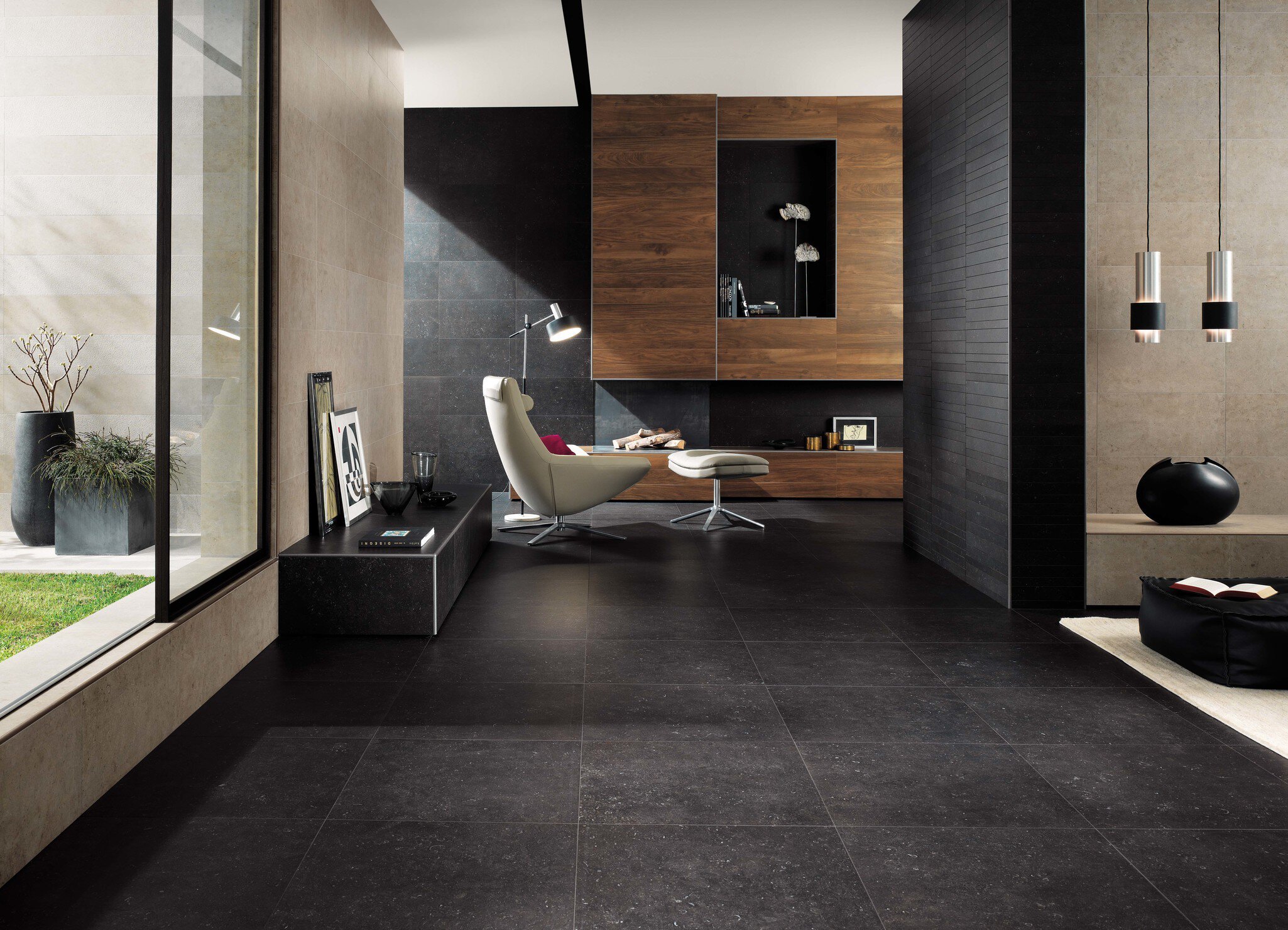
Cuando se trata de opciones de revestimiento, los pisos de loseta son populares por su durabilidad, atractivo estético y facilidad de mantenimiento. Sin embargo, cuando no se instalan correctamente, pueden presentar grietas con el tiempo. Comprender las posibles causas de estas fisuras es fundamental tanto para propietarios como para contratistas. A continuación, analizaremos las tres principales razones por las que se agrietan los pisos de loseta y las medidas preventivas que se pueden tomar para garantizar la durabilidad de su inversión en pisos.
1. Cobertura insuficiente de mortero
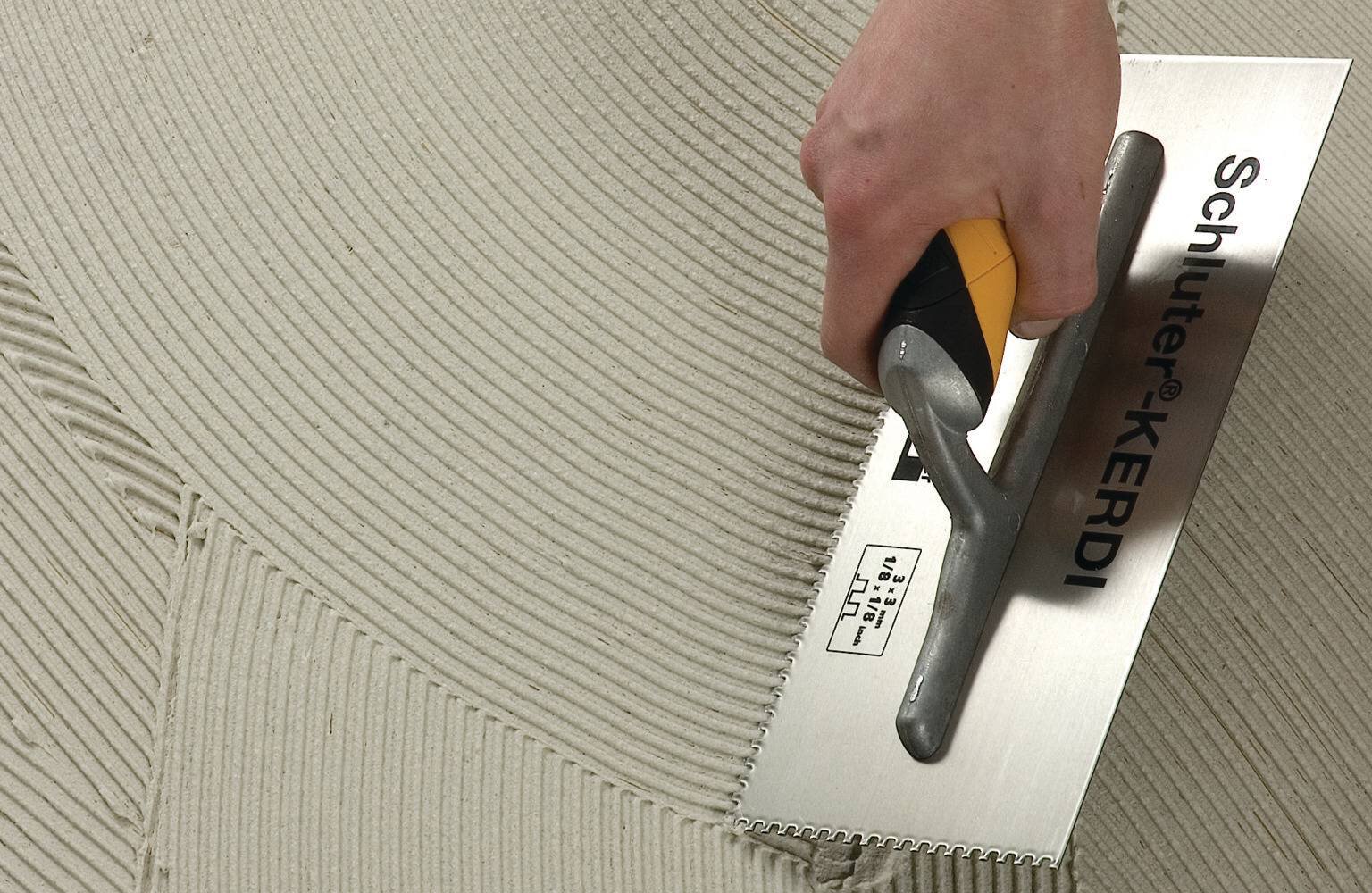
Cuando no hay suficiente mortero delgado (thin-set) debajo de una loseta, pueden surgir varios problemas, entre ellos una adhesión deficiente. El mortero delgado es el responsable de crear una unión fuerte entre la loseta y el sustrato. Si no se aplica la cantidad adecuada, la loseta puede no adherirse correctamente, lo que puede provocar que se afloje, se agriete o incluso se desprenda de la superficie con el tiempo.
Schluter cuenta con una línea de morteros delgados (thin-set) específicamente diseñados para funcionar con sus membranas y paneles. El mortero modificado Schluter ALL-SET® está formulado para su uso tanto debajo como encima de todas las membranas de desacoplamiento Schluter®-DITRA (ver más abajo) y las membranas impermeabilizantes Schluter®-KERDI . Si se prefiere trabajar con un mortero delgado no modificado, también está disponible Schluter® SET .
2. Ausencia de membrana de desacoplamiento
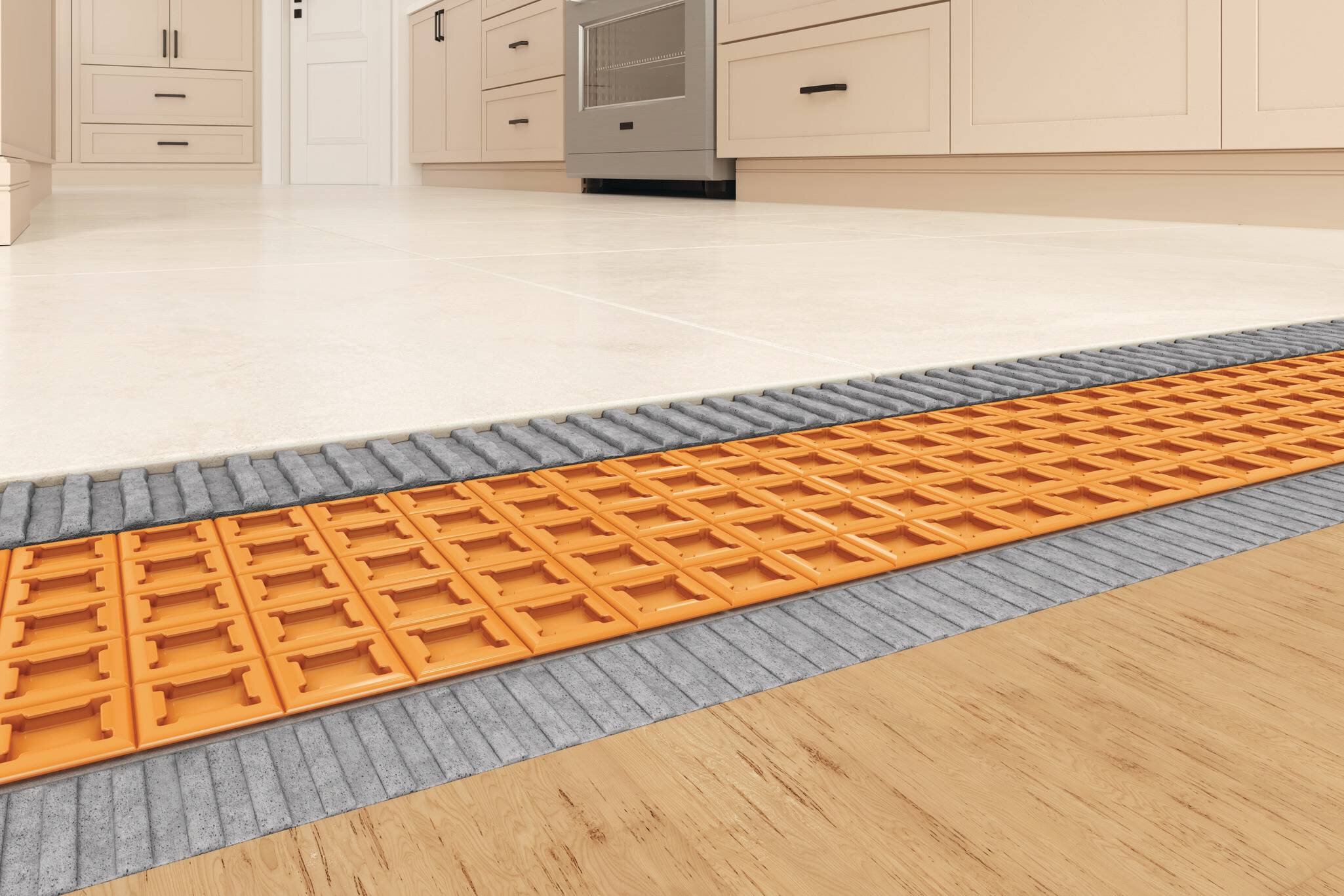
Las principales causas de daño en pisos de loseta son las tensiones por movimientos y la penetración de agua. Las membranas de desacoplamiento actúan como una capa protectora entre la loseta y el sustrato, absorbiendo las tensiones y evitando que estas se transfieran a las losetas. Cuando se omite la membrana de desacoplamiento en el proceso de instalación, la transferencia directa de tensiones desde el subsuelo a la loseta puede provocar grietas en la loseta o en la junta, así como el desprendimiento de la superficie alicatada.
Para aumentar la durabilidad de su piso de loseta, considere usar una membrana de desacoplamiento como DITRA durante la instalación. DITRA es una membrana que se coloca entre la loseta y el subsuelo, evitando que las tensiones se transfieran directamente a la loseta. La membrana cuenta con una estructura de costillas abiertas que permite que el subsuelo y la loseta se muevan de manera independiente, eliminando así las tensiones por movimiento y previniendo grietas y desprendimientos en la superficie alicatada. Además, DITRA es impermeable, lo que protege el subsuelo en caso de filtraciones de agua. Este componente es fundamental para evitar la formación de moho y hongos, especialmente en áreas húmedas.
3. Falta de juntas de expansión
Las losetas, al igual que otros materiales de construcción, se expanden y contraen con los cambios de temperatura y humedad. Sin la presencia de juntas de expansión o de movimiento, estos desplazamientos pueden generar tensiones sobre las losetas, provocando grietas. Las juntas de expansión permiten un movimiento controlado y alivian la presión que puede acumularse cuando las losetas están restringidas.
Se recomienda instalar perfiles de juntas de movimiento a intervalos específicos, como en accesos, transiciones y áreas amplias y abiertas —con una separación mínima de 12 pies (aproximadamente 3.65 metros) y máxima de 20 pies (aproximadamente 6.10 metros) en cualquier dirección, según el tamaño de la superficie alicatada. Schluter Systems ofrece una variedad de perfiles de juntas de movimiento que se adaptan a las necesidades de cualquier tipo de instalación.

Las juntas de movimiento son piezas de transición, o perfiles, que incorporan zonas flexibles de polietileno clorado en el centro, las cuales permiten absorber el movimiento dentro de una instalación de loseta o piedra natural. La absorción del movimiento es esencial en todas las aplicaciones de pisos con loseta o piedra natural, ya que evita que se agrieten debido a dichas tensiones. Aunque estos perfiles son necesarios en este tipo de instalaciones, algunos instaladores no los incorporan debido a la falta de conocimiento o a malentendidos sobre su función. En zonas con cambios climáticos drásticos, las estructuras son más propensas a la expansión y contracción por los cambios bruscos de temperatura, y las juntas de movimiento permiten absorber estos desplazamientos para proteger el recubrimiento de loseta o piedra natural. La omisión de las juntas de movimiento necesarias terminará provocando daños en el revestimiento superficial.
Consulte el siguiente video para ver un ejemplo de cómo instalar y dónde aplicar un tipo de perfil de junta de movimiento: Cómo instalar una junta de movimiento en esquina en pisos de loseta.
Cuando se trata de abordar las principales causas de agrietamiento en pisos de loseta, Schluter ofrece una gama integral de productos que pueden mitigar eficazmente estos problemas. Al utilizar las membranas de desacoplamiento de Schluter, los perfiles de juntas de movimiento y una cobertura adecuada de mortero delgado, los instaladores pueden garantizar un piso de loseta resistente y duradero. El compromiso de Schluter con la calidad y el desarrollo de productos diseñados para enfrentar los desafíos en instalaciones con loseta brinda tranquilidad tanto a propietarios como a contratistas, al saber que sus pisos están protegidos contra las grietas. Invierta en productos Schluter para su próxima instalación y disfrute de un piso de loseta bello y duradero que resistirá el paso del tiempo.