La internacionalización: década de 1990
El avance de SCHIENE en América del Norte
En nuestro último blog, "De un proyecto paralelo a una innovación a tiempo completo", exploramos cómo SCHIENE comenzó a crecer en Europa. En esta última entrega de nuestra serie "Celebrando los 50 años de SCHIENE", veremos más de cerca cómo este simple perfil, ya habitual en la industria europea de la baldosa, cruzó el Atlántico. A finales de la década de 1980, SCHIENE se había ganado una sólida reputación en toda Europa. El siguiente capítulo de su historia estaba a punto de comenzar y cambiaría las reglas del juego para los profesionales de la baldosa en América del Norte.
El cruce del Atlántico: un encuentro fortuito
La expansión de SCHIENE en América del Norte no comenzó como una gran iniciativa corporativa, sino como una discreta presentación. En 1985, un instalador de baldosas alemán residente en Montreal (Canadá) presentó el perfil SCHIENE a un distribuidor local llamado Reinhard Plank.
Al comienzo, Plank tenía sus dudas. ¿Existía realmente un mercado para este perfil metálico desconocido en América del Norte? La curiosidad lo llevó a importar una pequeña cantidad de perfiles SCHIENE y la respuesta fue prometedora. Los instaladores reconocieron rápidamente el valor del acabado prolijo y la protección de los cantos que ofrecía el producto.
Ese modesto comienzo sembró la semilla de algo mucho más grande.
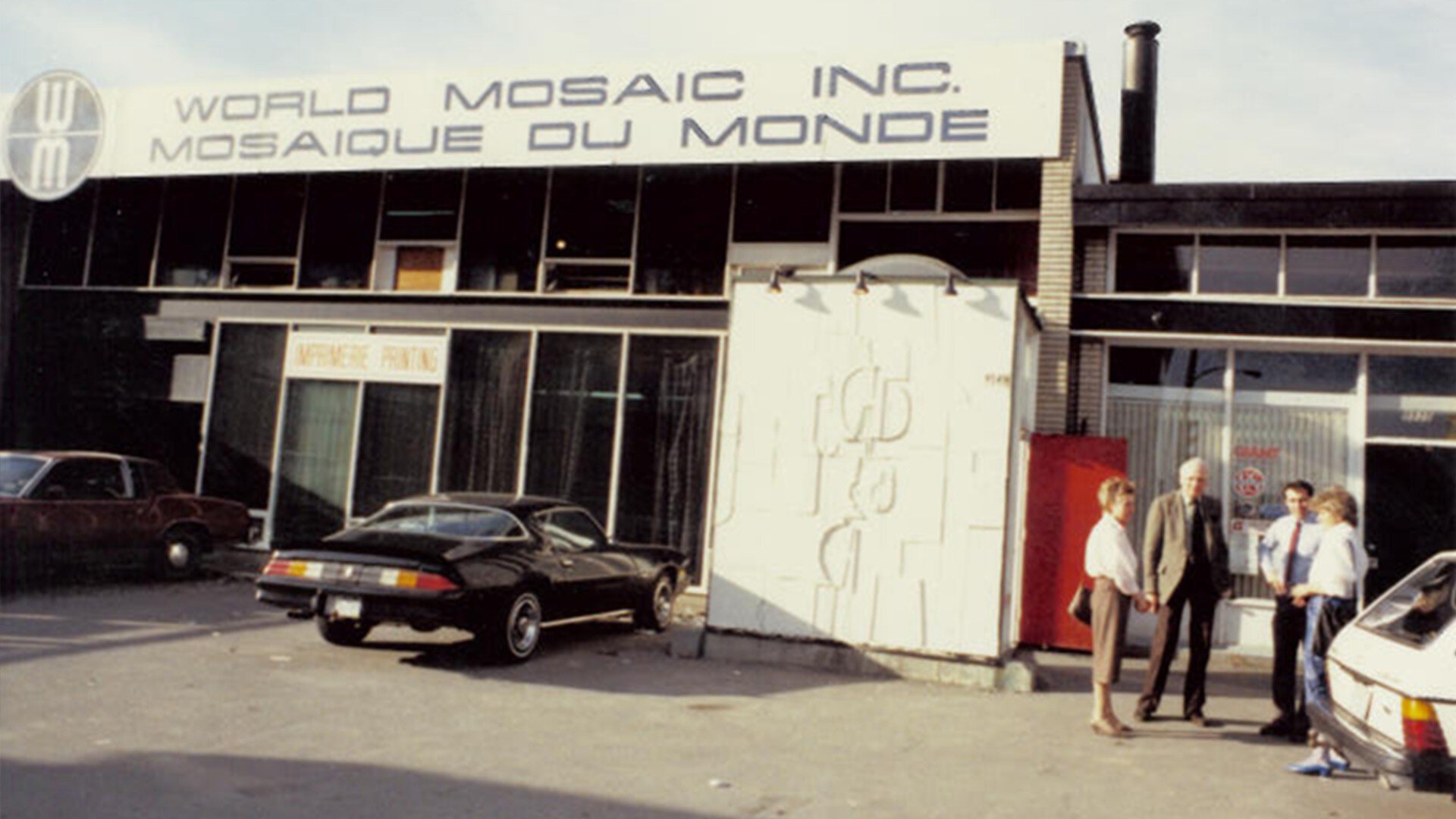
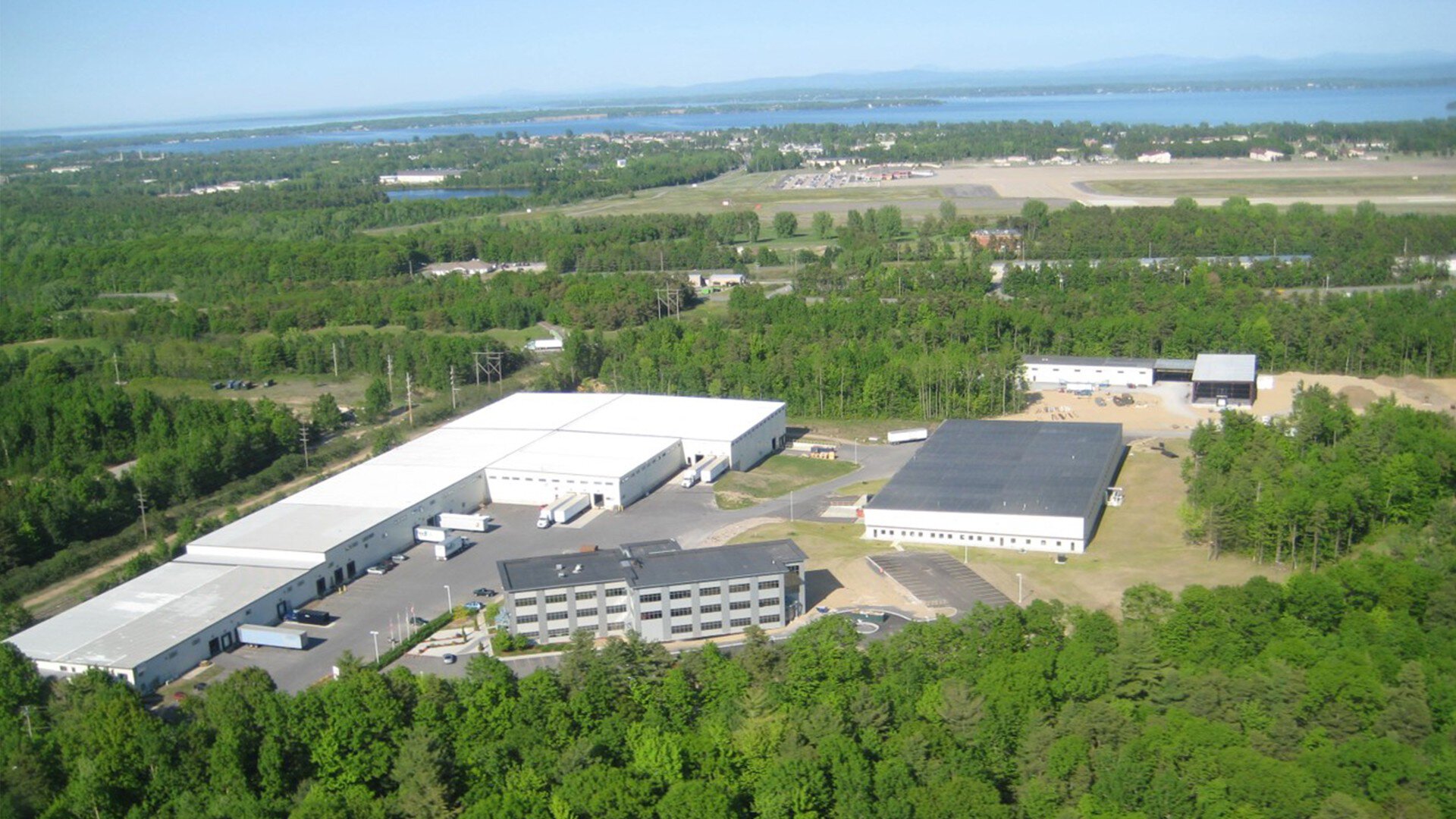
Establishing a Foothold: Plattsburgh, NY
Encouraged by the growing interest, Schluter made a strategic decision. In 1989, the company opened Schluter Systems LP in Plattsburgh, New York—a move that signaled its commitment to long-term growth in North America.
The Plattsburgh facility served a dual purpose. It allowed Schluter to manufacture and distribute profiles more efficiently within the region, while also providing a physical presence that built trust among U.S. and Canadian customers.
This milestone wasn’t just about logistics—it marked a turning point in how SCHIENE would be adopted, applied, and appreciated across a brand-new market.
Local Production, Wider Reach
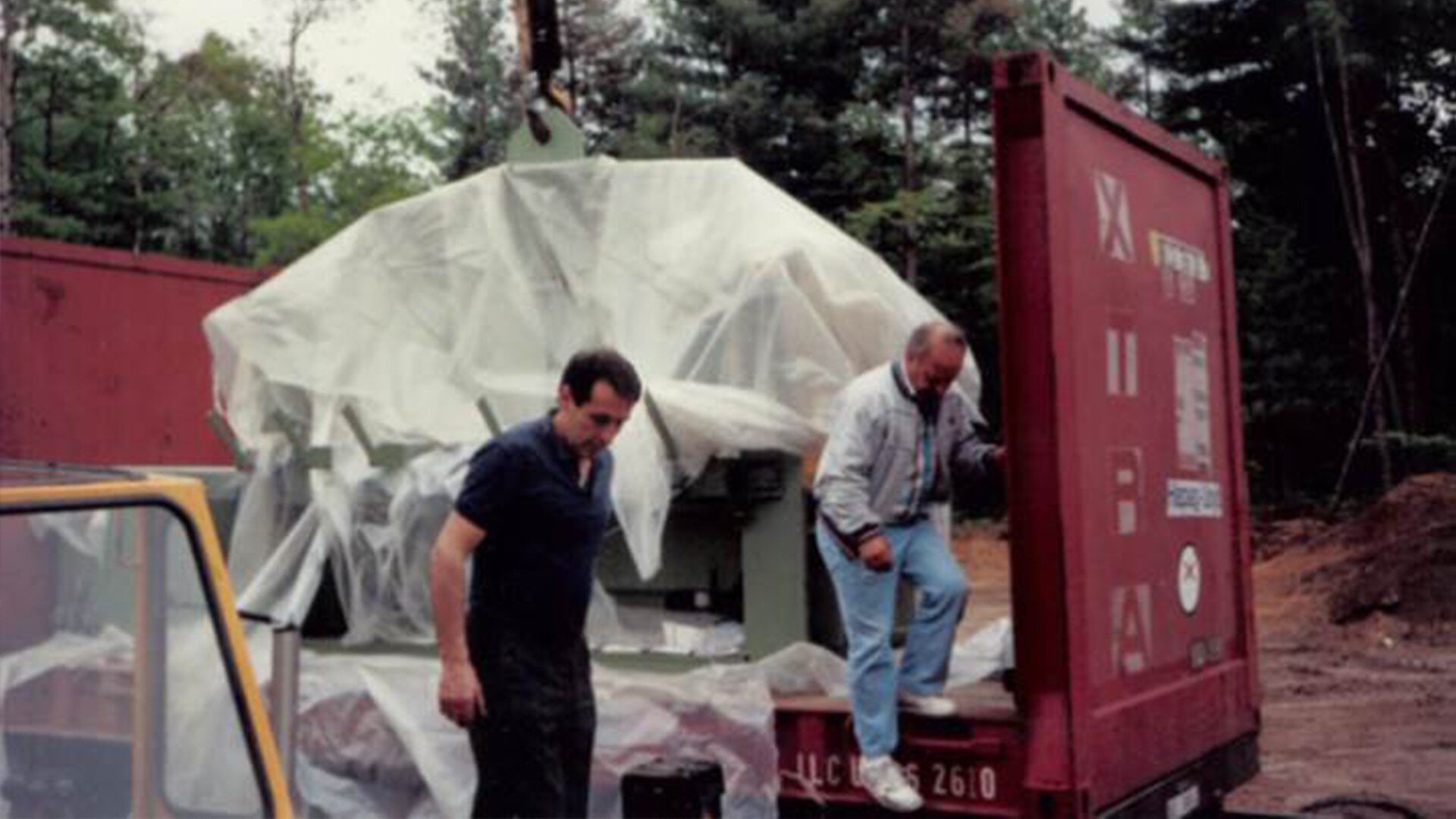
With production underway in Plattsburgh, Schluter was able to meet increasing demand from both the United States and Canada. SCHIENE was no longer an import—it was a locally available solution.
This shift enabled quicker lead times, better availability, and a stronger presence in distributor networks. More importantly, it meant that installers had easier access to the profile that was rapidly becoming an essential part of their toolkit.
Embracing Innovation: Meeting North American Needs
As interest grew, so did the SCHIENE product line. Profiles began to appear in a wider range of finishes and materials, including stainless steel, which offered enhanced durability and broader aesthetic possibilities.
North American architects and designers welcomed these options, finding ways to integrate SCHIENE into both traditional and contemporary installations. From residential bathrooms to high-traffic commercial spaces, SCHIENE proved its versatility and value.
Educating the Industry: Training and Trust
Growth wasn’t just about product availability—it was also about knowledge. Recognizing that success in a new market required more than supply, Schluter began offering product education and hands-on training in the 1990s.
Workshops and seminars were designed to help tile professionals understand the benefits of profiles like SCHIENE and how to install them effectively. This investment in education helped ensure that installers felt confident specifying and using the product—often leading to better results and fewer callbacks.
Building a Community of Professionals
Through consistent training and support, Schluter cultivated a growing network of loyal professionals who trusted the brand. SCHIENE wasn’t just seen as a product—it became a symbol of craftsmanship, precision, and long-term performance.
By the end of the decade, the SCHIENE profile had established itself as a staple in high-end tile installations across North America. And the company behind it had become known for more than just orange boxes—it had earned a reputation for raising the bar in tile installation standards.
Going Beyond Borders: European Subsidiary Growth
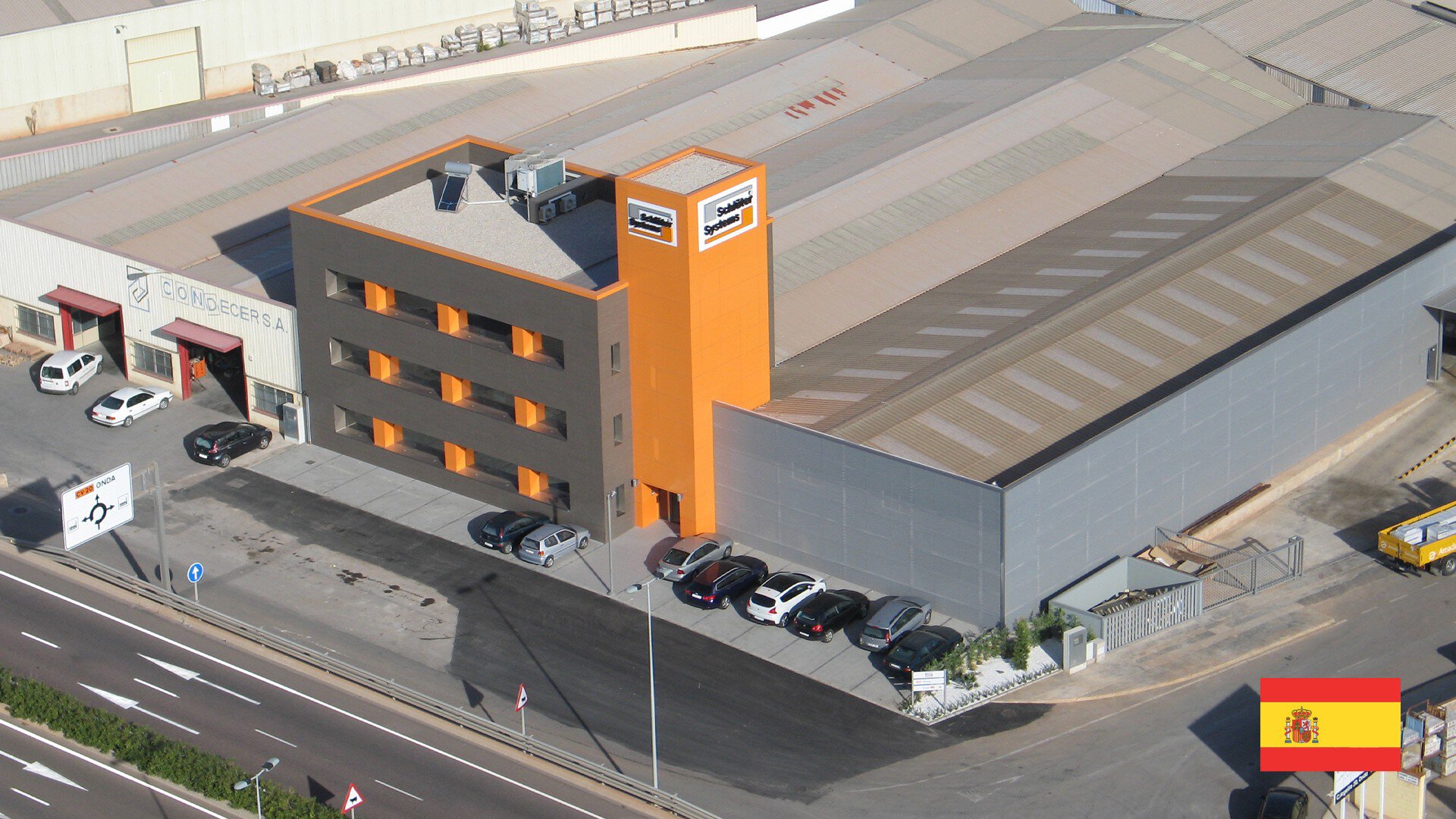
While North America was a key focus, Schluter didn’t stop there. The 1990s were also marked by international expansion throughout Europe.
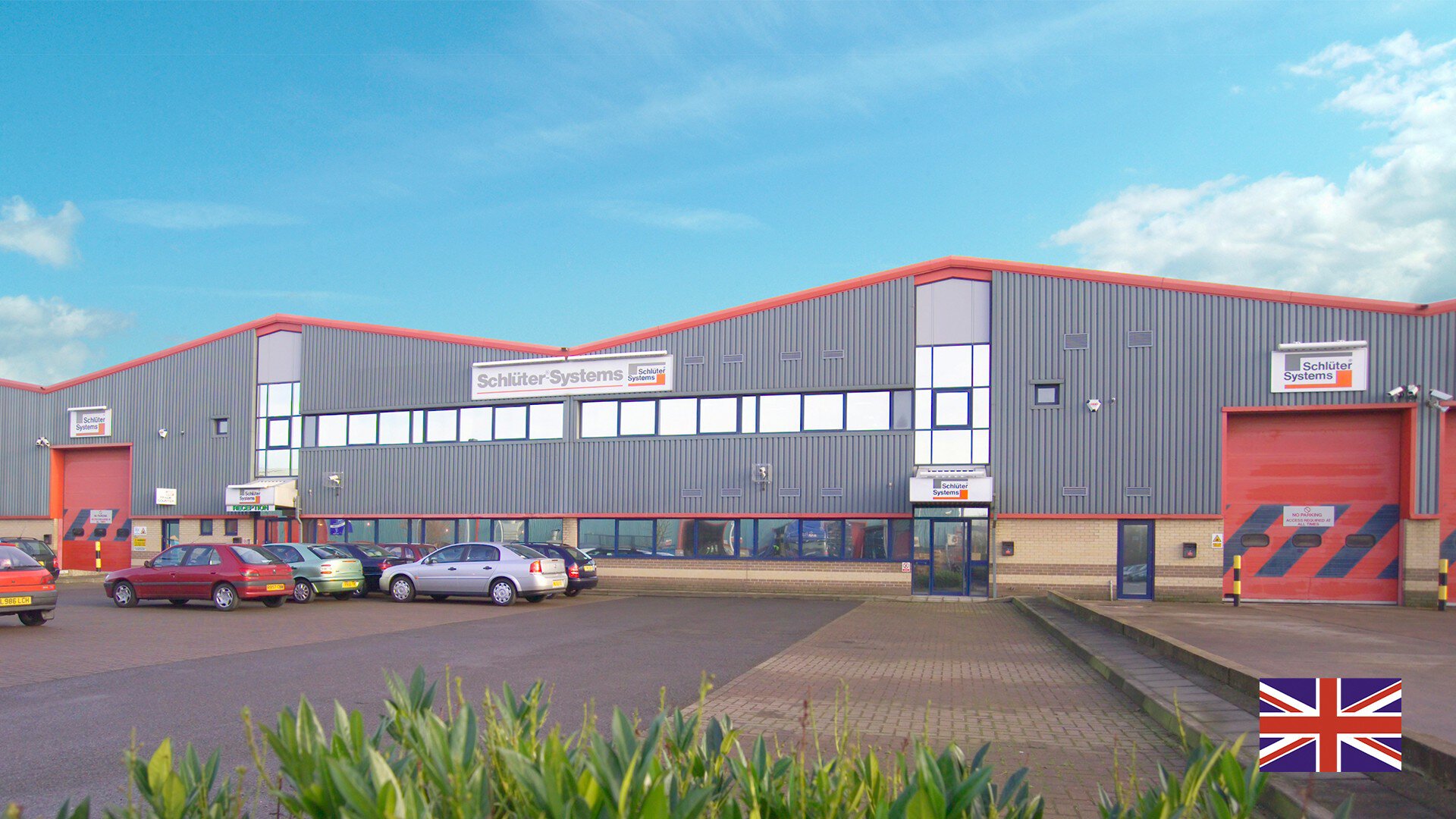
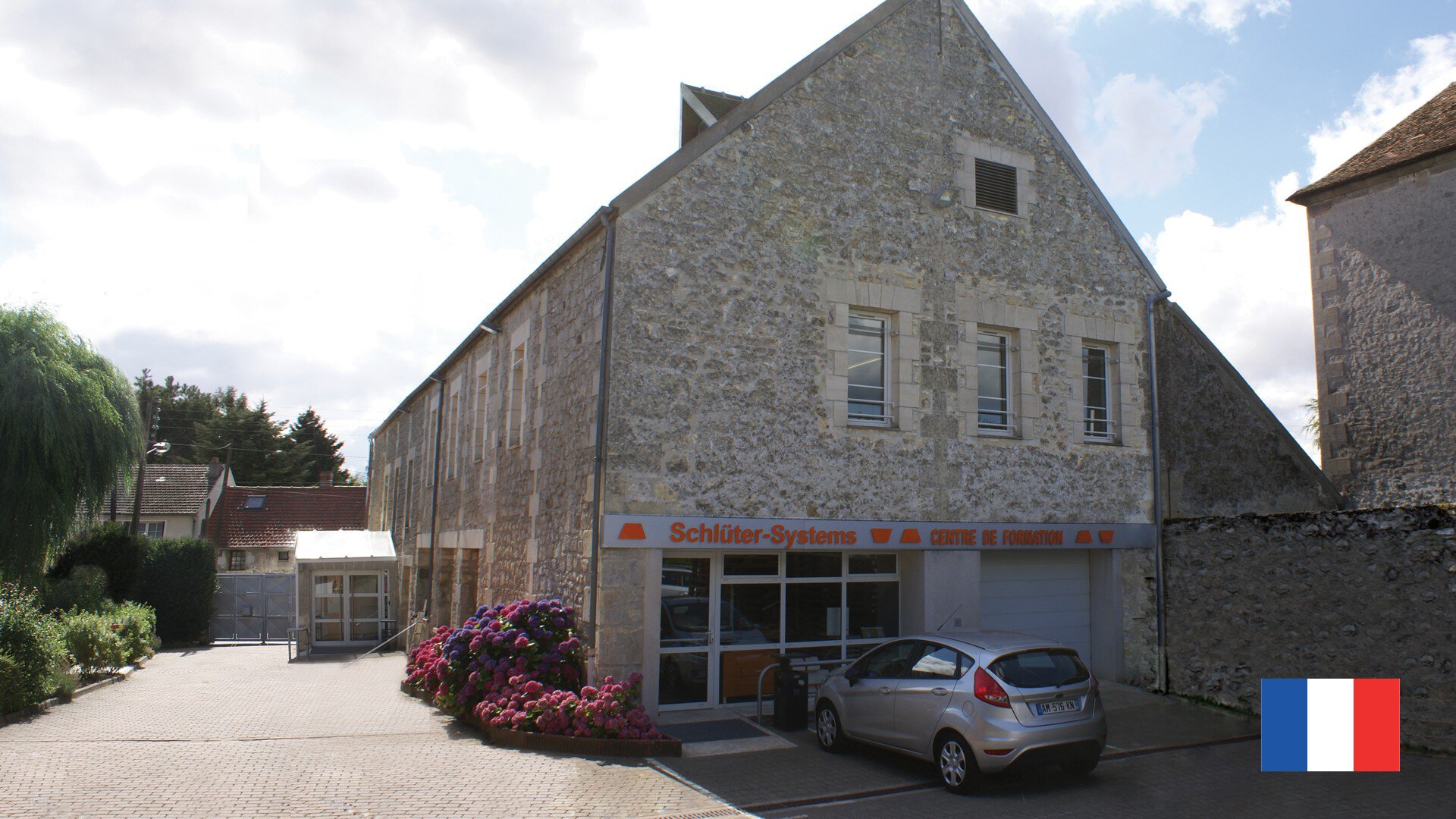
Following the Canadian subsidiary in 1991, a Spanish branch opened in Onda, Castellón. Two years later, subsidiaries were founded in Coalville (UK) and Villeneuve-sur-Verberie (France).
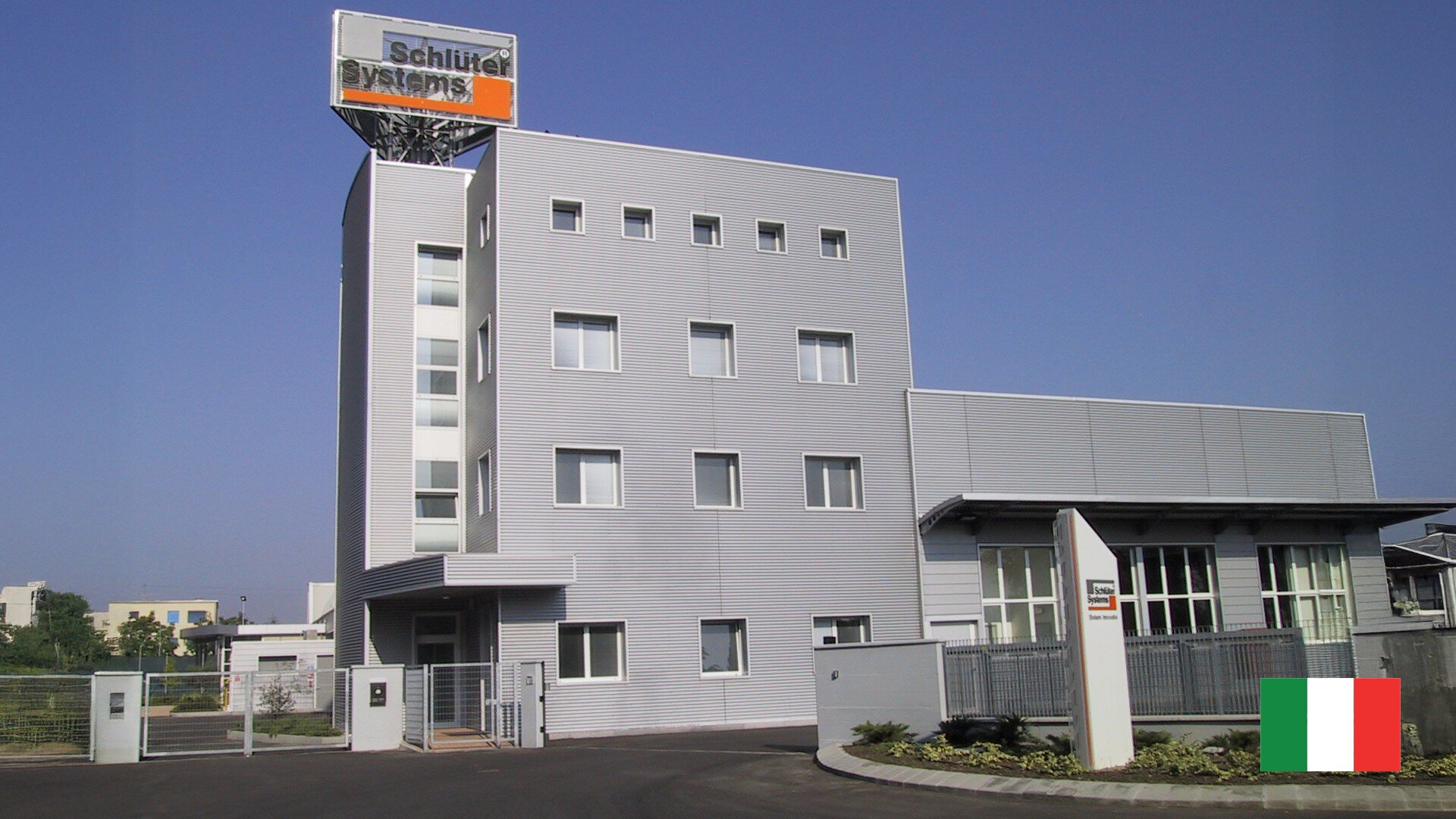
By 1995, the company had extended its reach to Italy as well, with a subsidiary in Fiorano Modenese.
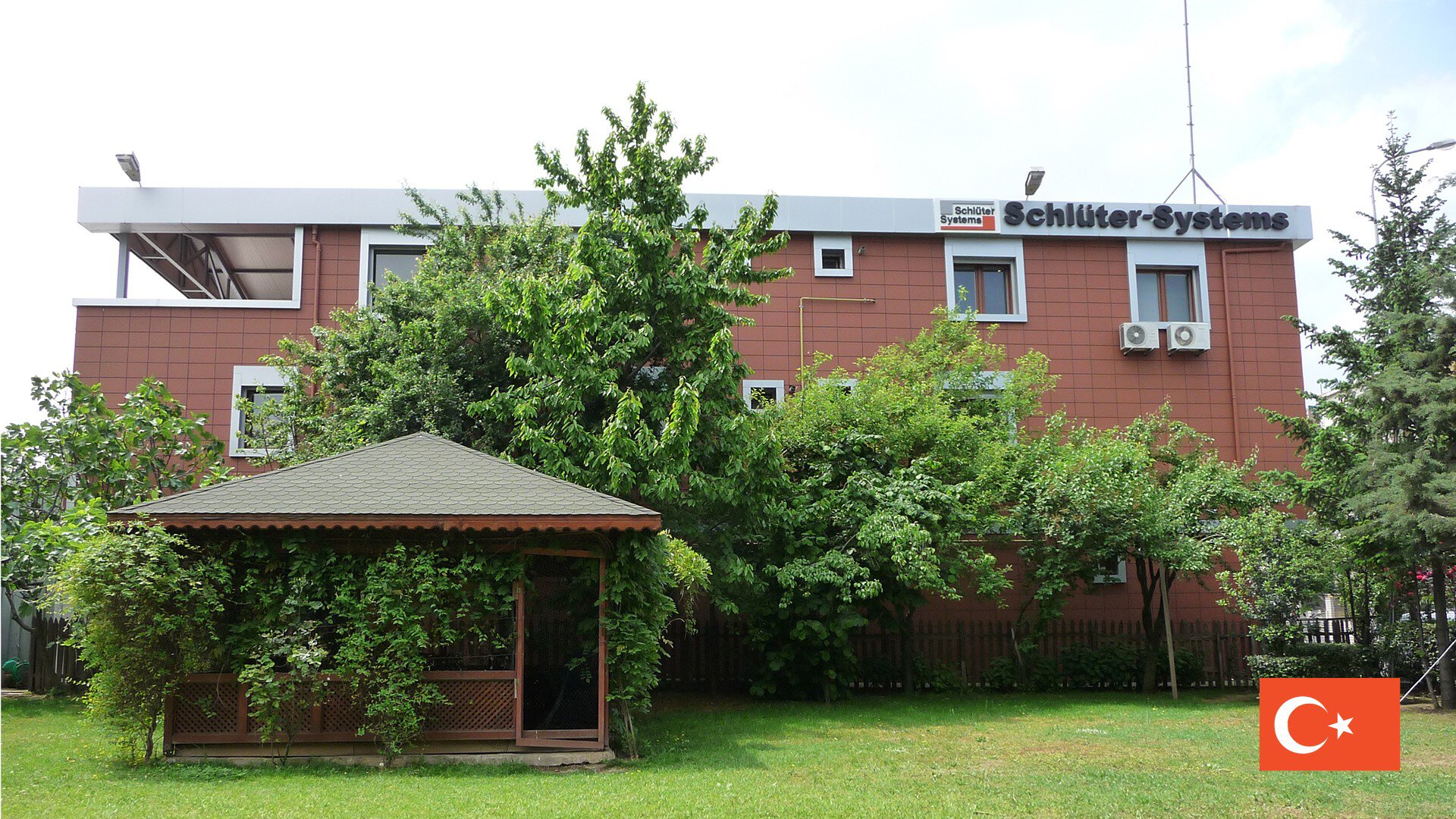
This network of local support offices and production facilities helped Schluter grow from a regional innovator into a global name in tile installation systems.
Laying the Foundation for the Future
By the close of the 1990s, SCHIENE was firmly established across North America and beyond. More than just a trim piece, it had become a symbol of thoughtful installation—where function meets finish, and innovation meets experience.
With a dedicated North American presence, localized training, and growing global operations, Schluter set the stage for the next wave of innovations that would carry SCHIENE into the 21st century.
Up Next
Join us next time as we explore the early 2000s—when digital tools, new materials, and evolving design trends pushed the SCHIENE profile into its next era of relevance and reinvention. In the meantime, be sure to check out our 50 Years of SCHIENE page to learn all about the product that launched a legacy.