Durabilidad: un reto clave para la industria cerámica
Si bien la sostenibilidad no es la prioridad para todos en el ámbito de los recubrimientos de pisos, está adquiriendo un papel cada vez más relevante, especialmente en la industria de la baldosa. A medida que se presta más atención a las repercusiones de los materiales de construcción en el medio ambiente y la salud, la documentación sobre sostenibilidad va ganando terreno en los proyectos comerciales y residenciales.
El rol de LEED en el impulso de las prácticas sostenibles
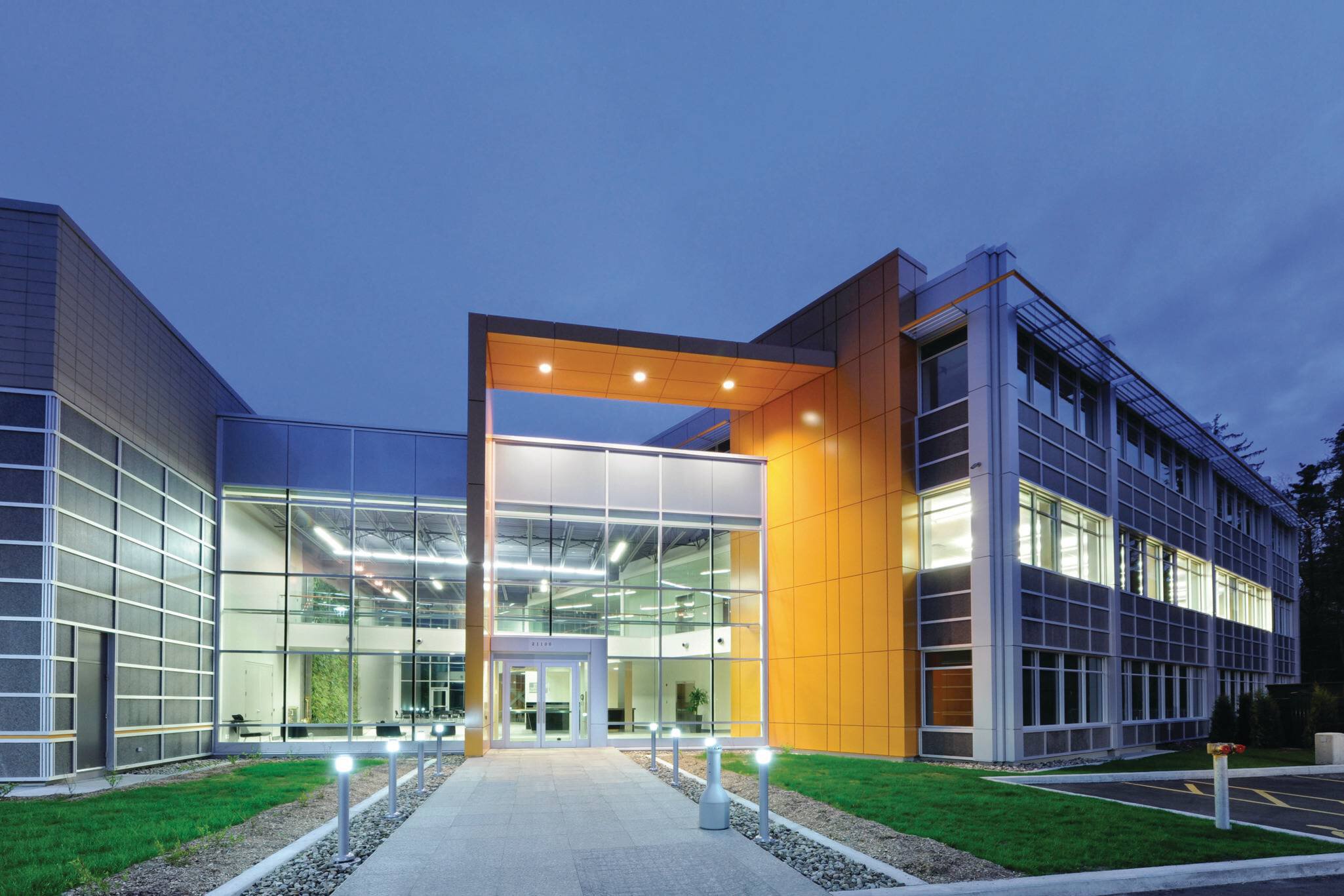
En la construcción comercial, la certificación LEED (del inglés, "Leadership in Energy and Environmental Design") mantiene su protagonismo. LEED reconoce los proyectos que utilizan materiales sostenibles otorgando puntos para la certificación. Por ejemplo, los productos con Declaraciones medioambientales de producto (EPD, por sus siglas en inglés) ya sean específicos de un artículo o del sector, pueden aportar hasta dos puntos por producto según las más recientes normas LEED v5. Estos documentos detallan el impacto ambiental del ciclo de vida de un producto y ayudan a los equipos de proyecto a tomar decisiones informadas acordes con los objetivos de la construcción ecológica.
Los proyectos residenciales también se benefician
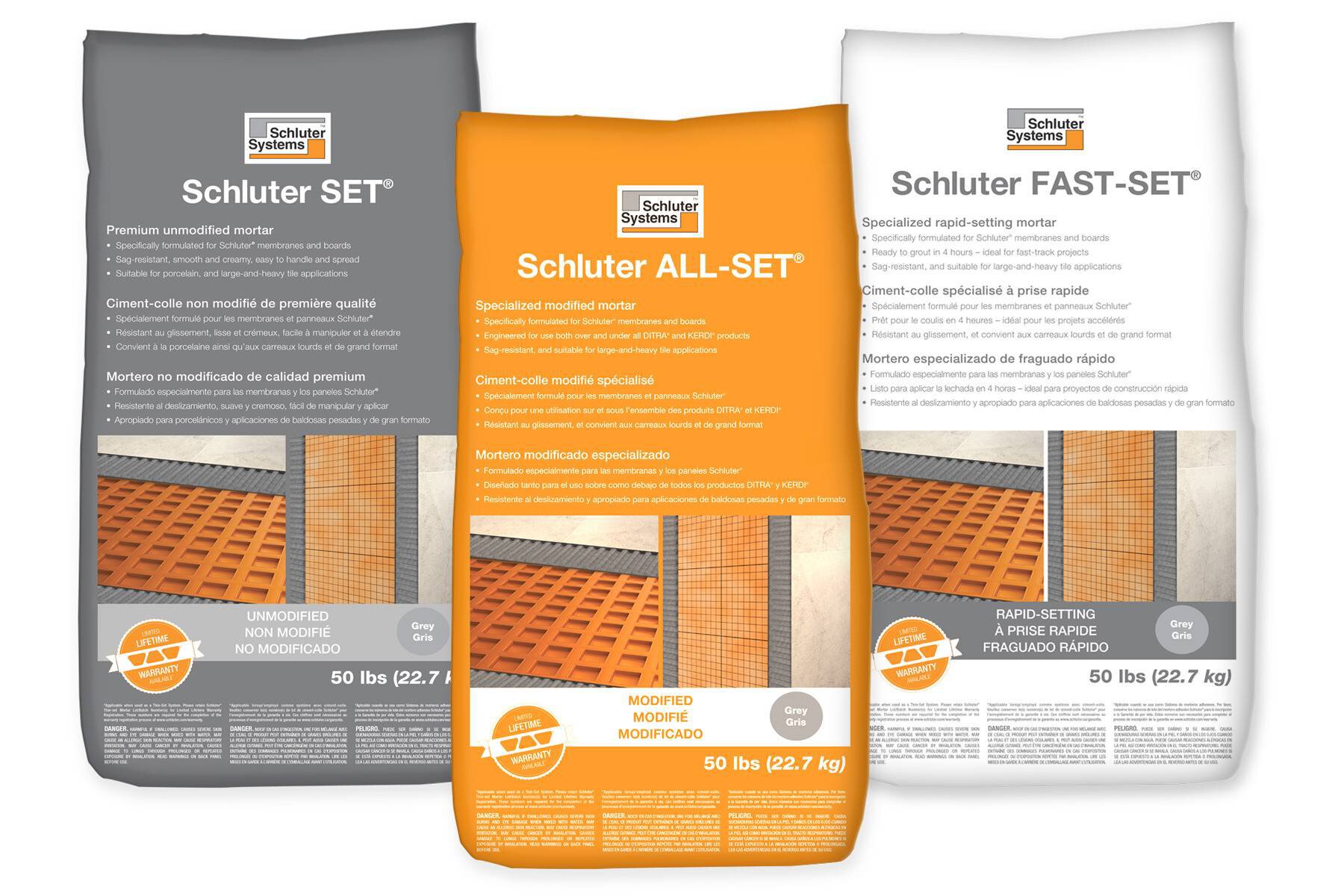
Sustainability isn't just for large commercial sites. Installers, homeowners, and contractors working on residential projects are also turning to transparency documents like Health Product Declarations (HPDs). These provide crucial information on how building materials may affect human health—an important consideration for people with chemical sensitivities to substances like formaldehyde or other VOCs (Volatile Organic Compounds).
Other helpful resources include:
- Safety Data Sheets (SDSs)
- Declare Labels
- VOC Emission Testing
- LBC Red List Free certifications
These tools help clarify exactly what materials are being used and how they may affect the people living with them day-to-day.
Embodied Carbon and the Bigger Picture
Another growing area of focus is embodied carbon, the total carbon footprint associated with manufacturing, transporting, and installing a product.
Reducing embodied carbon is not only beneficial for earning LEED points, but it also helps us better understand how each product contributes to the overall environmental impact of a building.
By reviewing sustainability documents before installation, project teams can select materials that reduce a building's carbon footprint from the ground up. And when manufacturers have access to this same data, they’re empowered to reformulate or improve their products, making them safer and more sustainable for the long term.
A Win-Win for Everyone
In today’s evolving market, sustainability documentation is more than a box to check - it’s a resource for smarter, healthier, and more responsible building decisions. Whether you're a specifier, contractor, installer, or homeowner, understanding and utilizing these tools puts you at the forefront of a more sustainable future in flooring.