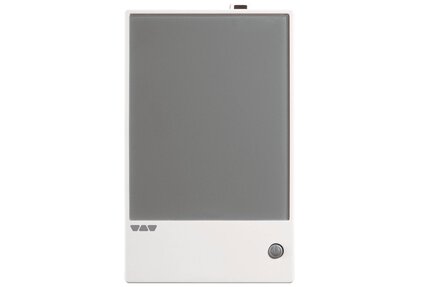
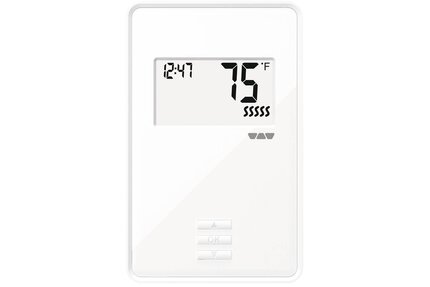
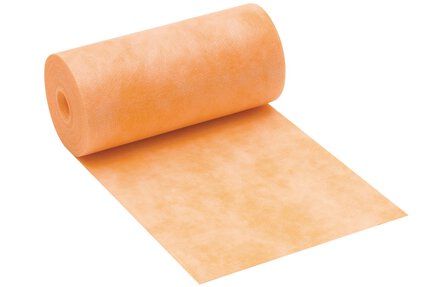
Schluter®-DITRA-HEAT-E-HK
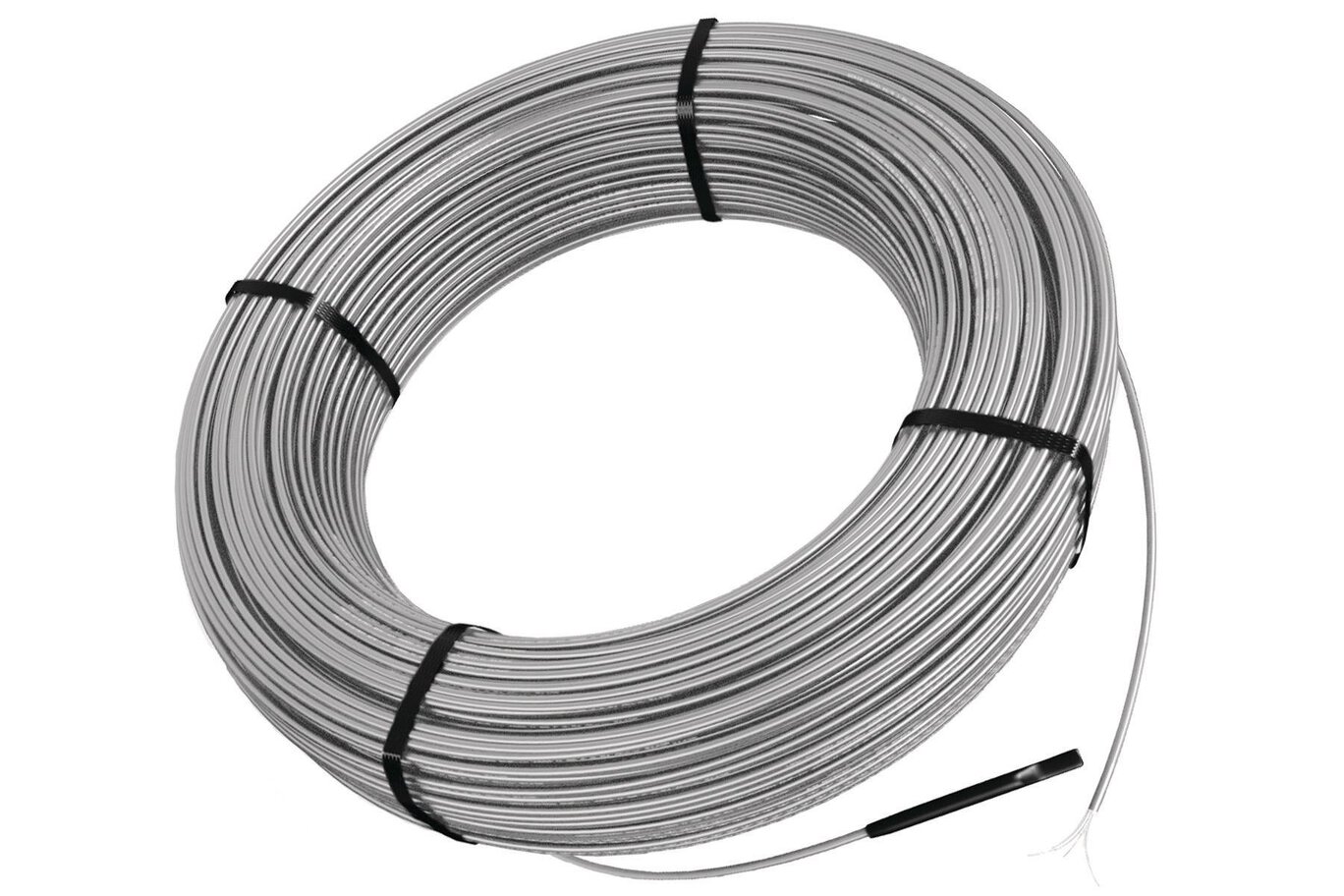
Cables calefactores eléctricos para pisos radiantes utilizados con la membrana DITRA_HEAT

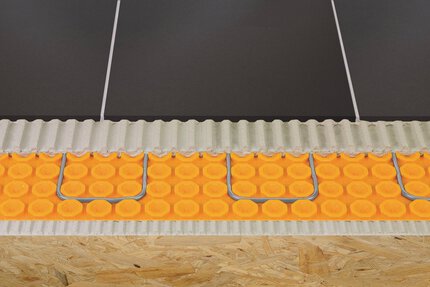
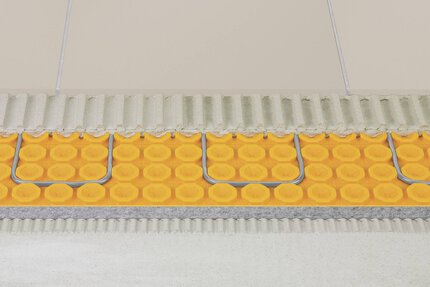
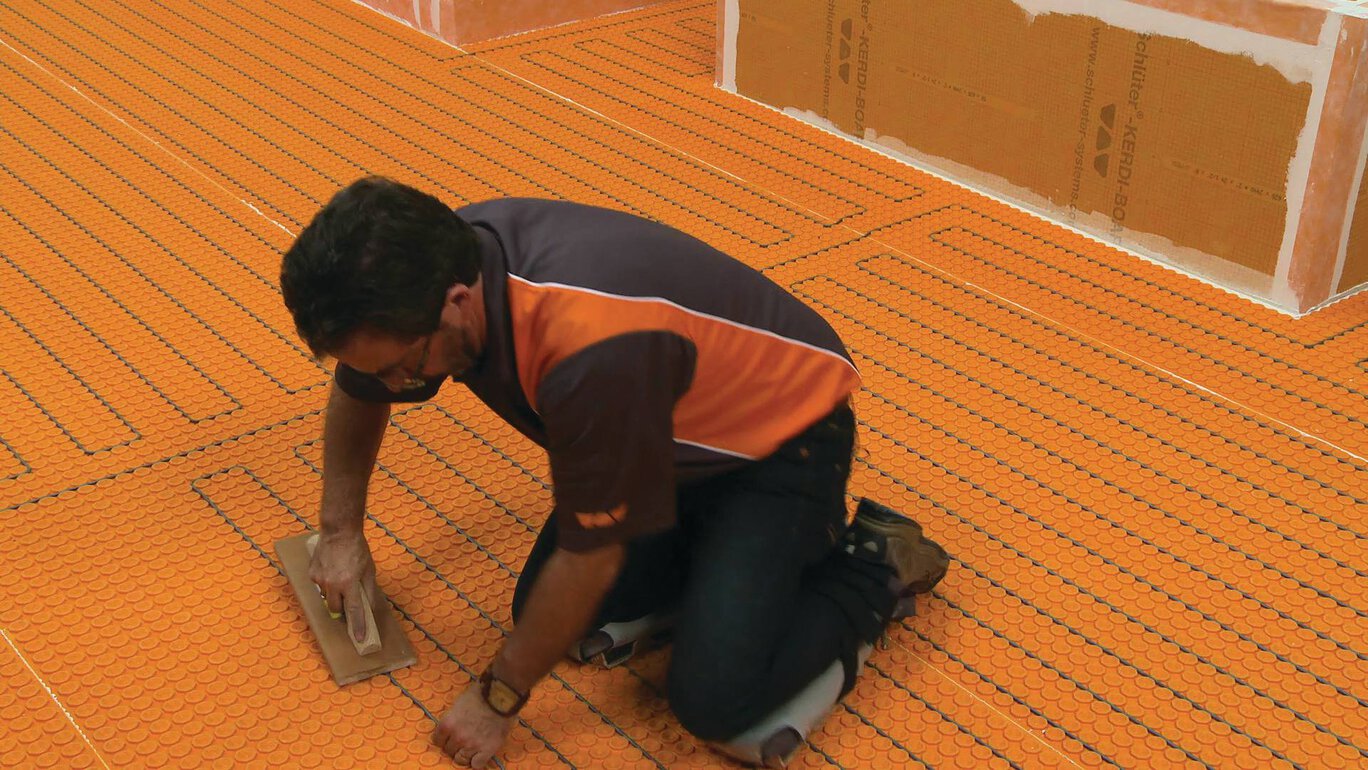
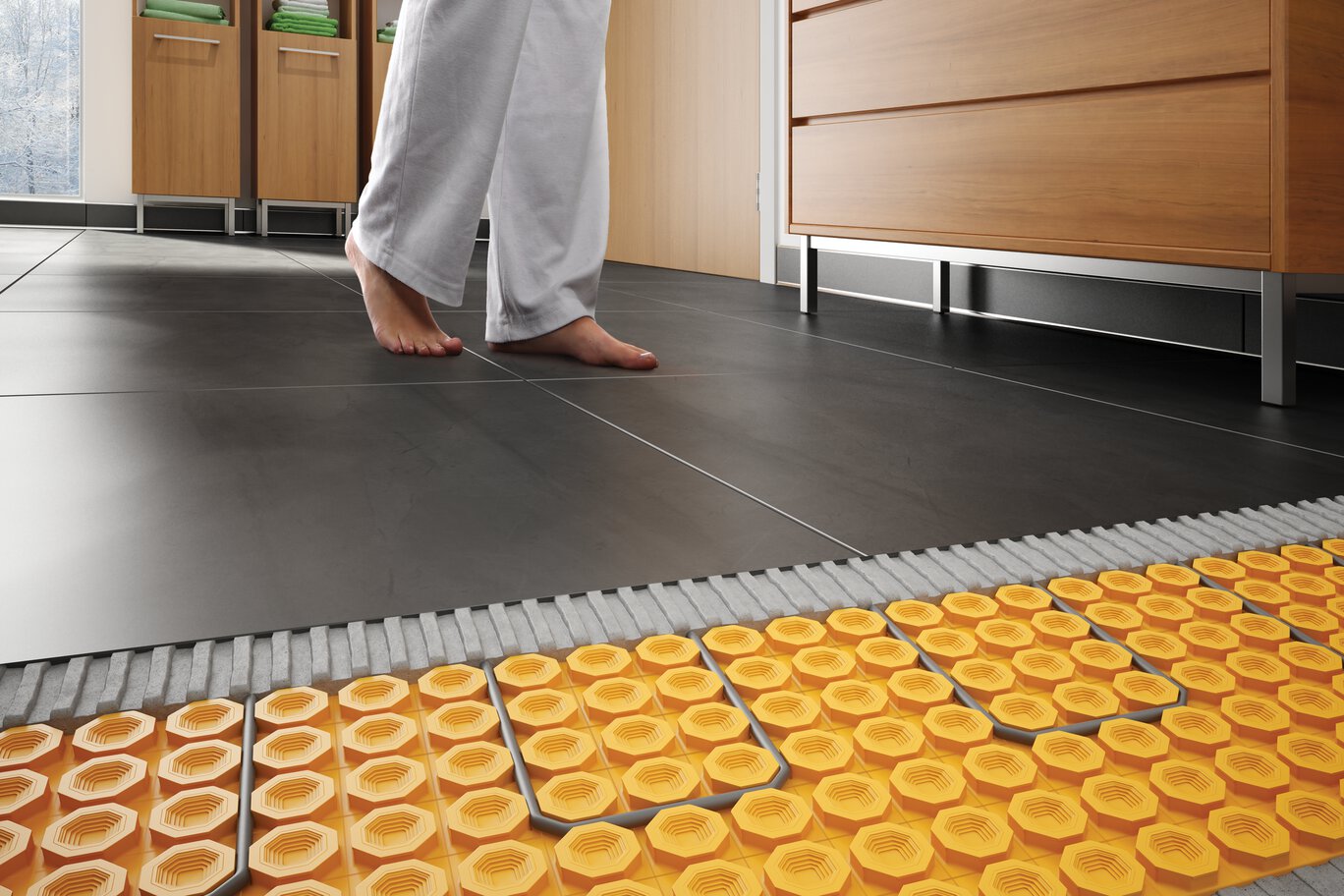
- Los cables se encajan en la membrana, sin necesidad de clips ni sujetadores
- No se requieren componentes de autonivelación para encapsular los cables en la membrana, lo que reduce significativamente los tiempos de instalación
- No es necesario un retorno al termostato
- Los campos magnéticos que genera son virtualmente nulos
- Están disponibles las opciones 120 V y 240 V en una variedad de largos
- Ofrece calefacción eléctrica del piso para uso debajo de baldosas, piedra u otros revestimientos resistentes (por ej., LVT)
- Nota: Con los cables de calefacción se suministran dos sensores de temperatura del suelo. Pueden instalarse al mismo tiempo que el cable.
Encuentre aquí los accesorios recomendados
INFORMACIÓN IMPORTANTE para realizar pedidos de cables Schluter®-DITRA-HEAT
- No compre un cable calefactor del mismo tamaño que el área a revestir; ¡Te quedarás con demasiado cable calefactor!
- Muy importante: Nunca CORTES ni modifiques el cable calefactor de ninguna manera. Esto cambiaría la resistencia del cable, dañaría el cable y podría provocar su sobrecalentamiento.
- Un espaciado entre cables de 3 pernos es estándar.
- El cable también puede estar espaciado de forma continua alternando 3 pernos - 2 intervalos de montantes en zonas aisladas o en todo el suelo. Esta práctica puede ser deseable para aumentar la producción de calor (por ejemplo, sobre contrapisos de concreto sin aislamiento o por debajo del nivel del suelo) o para consumir más longitud de cable en un área determinada (por ejemplo, cuando se usa el espaciado estándar de 3 postes no permite que el cable seleccionado encaje). el área del piso y respetar los requisitos mínimos de espacio entre paredes, tabiques, etc.)
- No se recomienda un espacio entre cables de 4 montantes, ya que puede producir temperaturas inconsistentes en la superficie del piso.
- Mínimo el espacio entre paredes, particiones y gabinetes fijos es de 2quot; (50 mm).
- El espacio mínimo entre otras fuentes de calor (calefactores de zócalo, otros dispositivos de calefacción fijos, chimeneas, etc.) es de 8 pulg. (200 mm).
- Espaciamiento mínimo desde cualquier drenaje de plomería y conducto de calefacción de aire forzado. es 4quot; (100 mm).
- El espacio mínimo desde la línea central de los desagües del inodoro es de 7 pulg. (180 mm).
- NUNCA instale el cable calefactor debajo de tocadores sin espacio para el aire debajo, plataformas de bañera, bañeras independientes sin espacio para el aire debajo, gabinetes e islas de cocina, ni ningún otro accesorio en armarios de almacenamiento o ropa. . Se acumulará calor excesivo en estos espacios confinados y puede provocar el sobrecalentamiento del cable.
- NUNCA instale el cable calefactor debajo o a través de una pared, tabique o piso.
- NUNCA instale el empalme de fábrica (es decir, unión de plástico negro entre el cable frío y el cable calefactor gris) en la pared. Esto provocará sobrecalentamiento, fallas en el sistema y podría causar daños. Este empalme debe instalarse completamente debajo del revestimiento del piso, como se muestra en las instrucciones de instalación del cable calefactor.
- Es útil planificar la ubicación de una zona de amortiguamiento, ya que no siempre es posible predecir dónde se instalará la calefacción. El cable terminará. La zona de amortiguamiento es un área donde la calefacción no es esencial, normalmente detrás de un inodoro o junto a la abertura de una puerta. Esta área permite la colocación del exceso de cable calefactor. También se pueden instalar cables calefactores de 6quot;(150 mm) de la pared para crear una zona de amortiguamiento.
- Se requiere probar el cable calefactor mientras el cable calefactor está en el carrete y en dos pasos posteriores durante la instalación para garantizar la calidad del cable y para fines de garantía. Para comprobar la resistencia de aislamiento de los cables calefactores se necesita un megaóhmetro. Se recomienda encarecidamente realizar pruebas de resistencia de aislamiento.
- Consulte a un electricista calificado antes de solicitar cables calefactores DITRA-HEAT para asegurarse de solicitar el voltaje correcto para su instalación.

Estimador DITRA-HEAT
Calcule sin esfuerzo sus necesidades de membranas y cables.
Schluter® DITRA-HEAT-E-HK son cables calefactores de par trenzado diseñados para su integración con la membrana de desacoplamiento DITRA-HEAT en aplicaciones de calefacción de pisos interiores.
Todos los substratos deben estar limpios, parejos y ser capaces de soportar cargas. Deben eliminarse las superficies que impidan la adherencia antes de aplicar DITRA-HEAT. Para la guía completa de instalación y los criterios de garantía, puede descargar y consultar el Manual de instalación de Schluter® DITRA-HEAT o ver en línea el video de instalación.
Nota: el tipo, espesor y formato de las baldosas o piedras del revestimiento deben ser adecuadas para la instalación deseada. El formato mínimo de las baldosas es de 2" x 2" (5 cm x 5 cm).
Las aplicaciones con formatos de baldosas inferiores a 2" x 2" (5 cm x 5 cm) requieren consideraciones especiales. Póngase en contacto con los representantes del servicio técnico de Schluter-Systems en el 800-472-4588 (EE. UU.) o en el 800-667-8746 (Canadá) para obtener más información sobre los requisitos de instalación y la elegibilidad para la garantía.
Alternate Floor Coverings over DITRA-HEAT Revestimientos de pisos alternativos sobre DITRA-HEAT, consulte DH-AFC > (descargar el Boletín técnico Revestimientos de pisos alternativos sobre DITRA-HEAT) y el Manual de instalación de Schluter® DITRA-HEAT para una guía completa de instalación.
Utilice nuestra calculadora DITRA-HEAT para saber qué productos necesita para completar su proyecto.
FAQ
¿Cuál es la distancia mínima entre nódulos cuando se instalan los cables calefactores Schluter®-DITRA-HEAT-E-HK?
La separación estándar entre cables es de 3 nódulos. Sin embargo, el cable también puede espaciarse a intervalos alternos continuos de 3 nódulos-2 nódulos en zonas aisladas…
Leer más¿Se pueden instalar cables calefactores Schluter®-DITRA-HEAT-E-HK en un banco de ducha?
Sí, los cables calefactores DITRA-HEAT-E-HK pueden instalarse en la superficie superior de los bancos de ducha. Se debe tener cuidado al instalar...
Leer más¿Se pueden instalar cables calefactores de otros fabricantes con la membrana Schluter®-DITRA-HEAT?
Los cables calefactores DITRA-HEAT-E-HK están especialmente diseñados para integrarse con la membrana DITRA-HEAT...
Leer más¿Por qué se recomienda especialmente la prueba del megaóhmetro para los cables calefactores Schluter®-DITRA-HEAT-E-HK?
La prueba de resistencia del aislamiento está pensada para detectar roturas muy pequeñas en el aislamiento del cable antes, durante y después de la instalación...
Leer más¿Dónde puedo encontrar un megóhmetro para realizar la prueba de resistencia del aislamiento?
Los megaóhmetros se pueden encontrar en mayoristas locales de suministros eléctricos o en minoristas en línea como Grainger, Mouser Electronics, Amazon, etc...
Leer másMi megóhmetro indica OL o I
¿es ésta una buena lectura para la prueba de resistencia del aislamiento del cable calefactor?
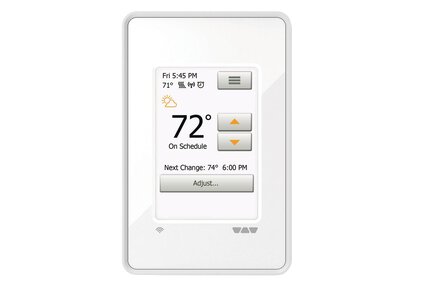
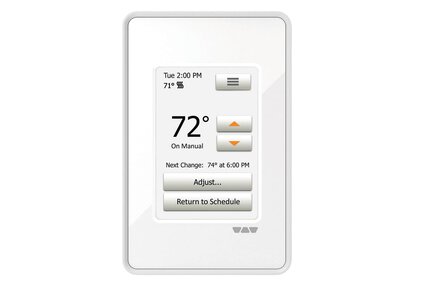
Leer más¿Cómo conecto los cables calefactores Schluter®-DITRA-HEAT-E-HK a un termostato Schluter®-DITRA-HEAT-E-RSD?
Para obtener instrucciones sobre la conexión del termostato DITRA-HEAT-E-RSD, consulte las Guías del usuario del termostato Schluter®-DITRA-HEAT o...
Leer másMe he quedado sin espacio para los cables calefactores, ¿puedo cortarlos o meterlos debajo de los armarios?
NUNCA corte o modifique el cable calefactor de ninguna manera. Esto cambiaría la resistencia del cable, causaría daños en el cable y podría provocar un sobrecalentamiento ...
Leer más¿Cómo seleccionar la longitud correcta del cable calefactor Schluter®-DITRA-HEAT-E-HK para mi proyecto de calefacción de pisos?
La membrana Schluter®-DITRA-HEAT se selecciona en función del tamaño de la superficie que se va a revestir con baldosas. El cable calefactor DITRA-HEAT-E-HK se selecciona...
Leer más¿Se pueden instalar cables calefactores Schluter®-DITRA-HEAT-E-HK en las paredes?
No, los códigos eléctricos norteamericanos no permiten el uso de cables calefactores en las paredes.
Leer más¿Cuáles son las restricciones sobre dónde puedo instalar los cables calefactores Schluter®-DITRA-HEAT?
Los cables calefactores DITRA-HEAT no pueden instalarse bajo lavabos sin espacio de aire debajo, plataformas de bañera...
Leer más¿Se puede conectar más de un cable calefactor DITRA-HEAT-E-HK a los termostatos Schluter®-DITRA-HEAT-E?
Se pueden conectar varios cables calefactores DITRA-HEAT-E-HK y controlarlos con un solo termostato DITRA-HEAT-E si la corriente total es inferior a 15 amperios…
Leer más¿Cómo elegir entre los cables calefactores Schluter®-DITRA-HEAT-E-HK de 120 V y 240 V?
No existe un único factor determinante. En general, los cables calefactores de 120 V deben conectarse a fuentes de alimentación de 120 V....
Leer másEvaluación y listados
Los cables calefactores Schluter®-DITRA-HEAT-E-HK Heating Cables están verificados por CSA a CAN/CSA-C22.2 No.130-16 (Canadá)
Los cables calefactores Schluter®-DITRA-HEAT-E-HK están certificados por CSA a UL 1673 (EE. UU.)
Los cables calefactores Schluter®-DITRA-HEAT-E-HK están listados por UL 1683 (EE. UU.) y CAN/CSA-C22.2 No. 130-16 (Canadá)

Ver y aprender
Acerca del producto
Cómo instalar el sistema eléctrico de calefacción para pisos DITRA-HEAT en una ducha
Encuentre tutoriales y videos de documentación de proyectos para aprender cómo sacar mejor provecho de nuestros productos, ¡empiece ahora y diviértase!
Ver más vídeos / listas de reproducción