Espacios inclusivos: cómo crear una sala de baño libre de obstáculos para su hogar
Un cuarto de baño libre de obstáculos, también conocido como cuarto de baño accesible o de diseño universal, es un espacio diseñado para facilitar el acceso y el uso a personas de todas las capacidades, incluidas aquellas con desafíos de movilidad, discapacidades o limitaciones relacionadas con el envejecimiento. El objetivo es eliminar las barreras físicas y crear un entorno que fomente la independencia, la seguridad y la comodidad de todo el mundo. Crear una sala de baño sin obstáculos en casa implica incorporar elementos y características de diseño específicos que mejoren la accesibilidad.
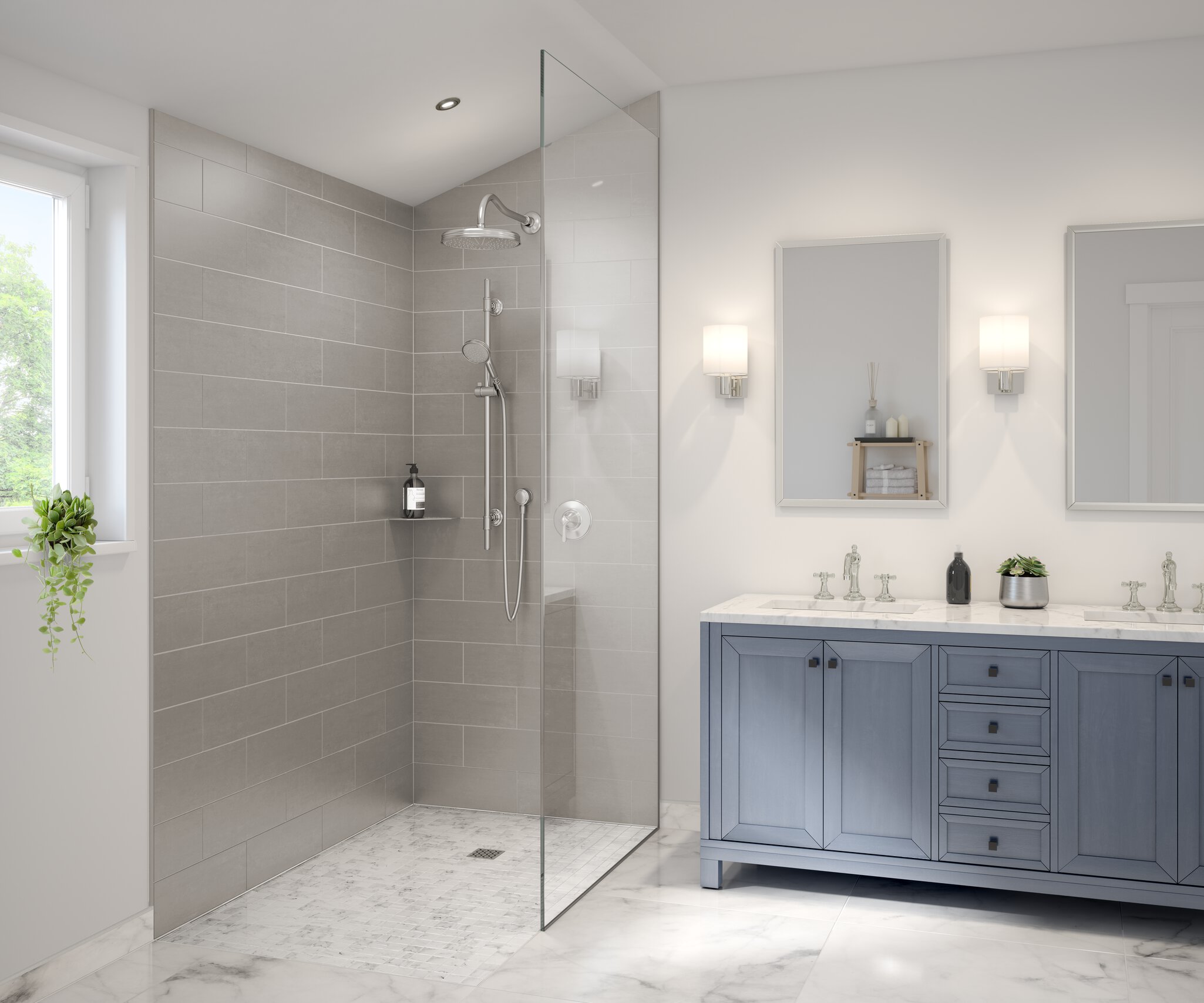
Cuando se incorporan los principios del diseño universal, una sala de baño de un hogar libre de obstáculos suele respetar varias directrices de la ADA (Ley de Estadounidenses con Discapacidades). Aunque existen coincidencias entre los conceptos de una sala de baño sin obstáculos y las directrices de la ADA, no son equivalentes. La ADA establece requisitos específicos para el diseño accesible en los alojamientos públicos, incluidos las salas de baño, que cubren aspectos como el espacio libre en el piso, la altura de los accesorios, la colocación de barras de agarre y el espacio libre de las puertas. En un entorno doméstico, el cumplimiento de las normas establecidas por ADA puede no ser legalmente obligatorio, pero la incorporación de sus directrices o de los principios del diseño universal puede mejorar significativamente la accesibilidad y la facilidad de uso para las personas con discapacidad o con problemas de movilidad. Este enfoque fomenta la inclusividad y la comodidad en el entorno doméstico, convirtiéndolo en un espacio acogedor para todos. Si su objetivo es cumplir con ADA en una sala de baño residencial, consultar sus directrices le proporcionará una comprensión exhaustiva de las características y dimensiones necesarias.
Pero cuando hablamos de salas de baño accesibles, no se trata sólo de cumplir los requisitos básicos, sino de combinar a la perfección diseño y funcionalidad. Si tenemos la idea de envejecer en casa, resulta crucial imaginar una sala de baño que no sólo satisfaga las necesidades específicas, sino que también resulte estéticamente agradable. Cuando se diseña una sala de baño pensando en esa etapa, las decisiones que se tomen hoy deben repercutir en el futuro, garantizando que el diseño no sólo satisfaga las necesidades actuales de accesibilidad, sino que también lo haga con el paso del tiempo.
He aquí algunas consideraciones clave para construir una sala de baño residencial libre de obstáculos:
Principios de diseño universal:
El diseño universal hace hincapié en la creación de espacios utilizables por personas de todas las capacidades sin necesidad de adaptación. Considere la posibilidad de incorporar elementos como entradas sin umbral, puertas más anchas y espacios de piso abiertos para facilitar las maniobras de los elementos de ayuda a la movilidad.
Amplio espacio libre en el piso:
Empiece por asegurarse de que hay suficiente espacio libre en el piso, que permita una fácil circulación y maniobrabilidad. Esto es especialmente importante para las personas que utilizan sillas de ruedas u otros dispositivos de movilidad.
Puertas más anchas:
Instale puertas más anchas (al menos de 32”o 80 cm de ancho) para facilitar la entrada y la salida. Esta sencilla modificación puede mejorar significativamente la accesibilidad para los usuarios de sillas de ruedas.
Griferías accesibles:
Elija accesorios con características de diseño universal, como inodoros de altura cómoda, lavabos con espacios abiertos para las rodillas y grifos con mangos fáciles de accionar. Asegúrese de que la altura y la colocación de los accesorios se adapten a los distintos usuarios.
Barras de agarre para mayor estabilidad:
Incorpore barras de agarre colocadas estratégicamente en zonas clave como cerca del inodoro, la ducha y la bañera. Estas barras proporcionan estabilidad y apoyo, mejorando la seguridad de todos los usuarios.
Pisos antideslizantes:
Para evitar accidentes, en zonas húmedas como la ducha, opte por materiales para pisos antideslizante. Las baldosas texturizadas o los revestimientos antideslizantes pueden ofrecer tanto funcionalidad como estética.
Ducha sin bordes:
Considere una ducha con bordes mínimos o sin bordes para facilitar el acceso de las sillas de ruedas. Instale un cabezal de ducha manual y los controles al alcance de la mano para mayor comodidad.
Lavabo y mueble accesibles:
Elija un lavabo con un espacio abierto debajo para acomodar a los usuarios de sillas de ruedas. Opte por grifos de palanca para facilitar su manejo.
Iluminación adecuada:
Asegúrese de que la iluminación esté bien distribuida y sea amplia en toda la sala de baño, prestando especial atención a la iluminación de zonas como el lavabo y la ducha.
Colores contrastantes:
Utilice colores contrastantes en las distintas superficies y elementos para mejorar la visibilidad de las personas con deficiencias visuales.
Grifos fáciles de usar:
Seleccione grifos con mandos fáciles de usar o controles sensibles al tacto. Es especialmente importante que los mandos sean accesibles desde una posición sentada.
Elementos ajustables:
Incorpore elementos ajustables como espejos de mano, estanterías flexibles y opciones de almacenamiento personalizables para satisfacer las distintas necesidades.
Salas de baño libres de obstáculos y Schluter®-Systems
Schluter ofrece una gama de productos que pueden transformar su visión de una sala de baño libre de obstáculos en realidad contribuyendo a crear una sala de baño funcional, accesible, impermeable y atractiva.
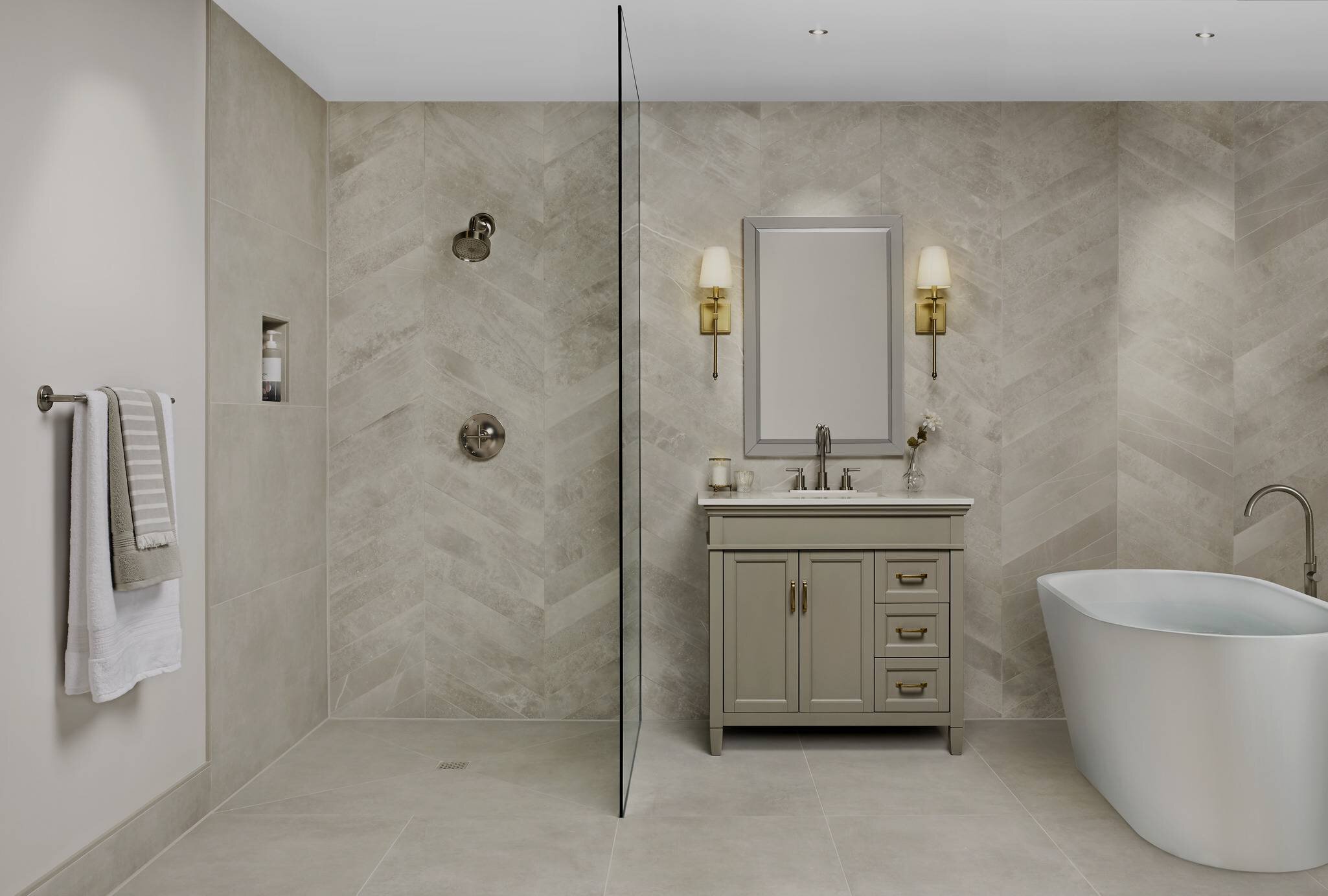
Un espacio de ducha para todas las capacidades
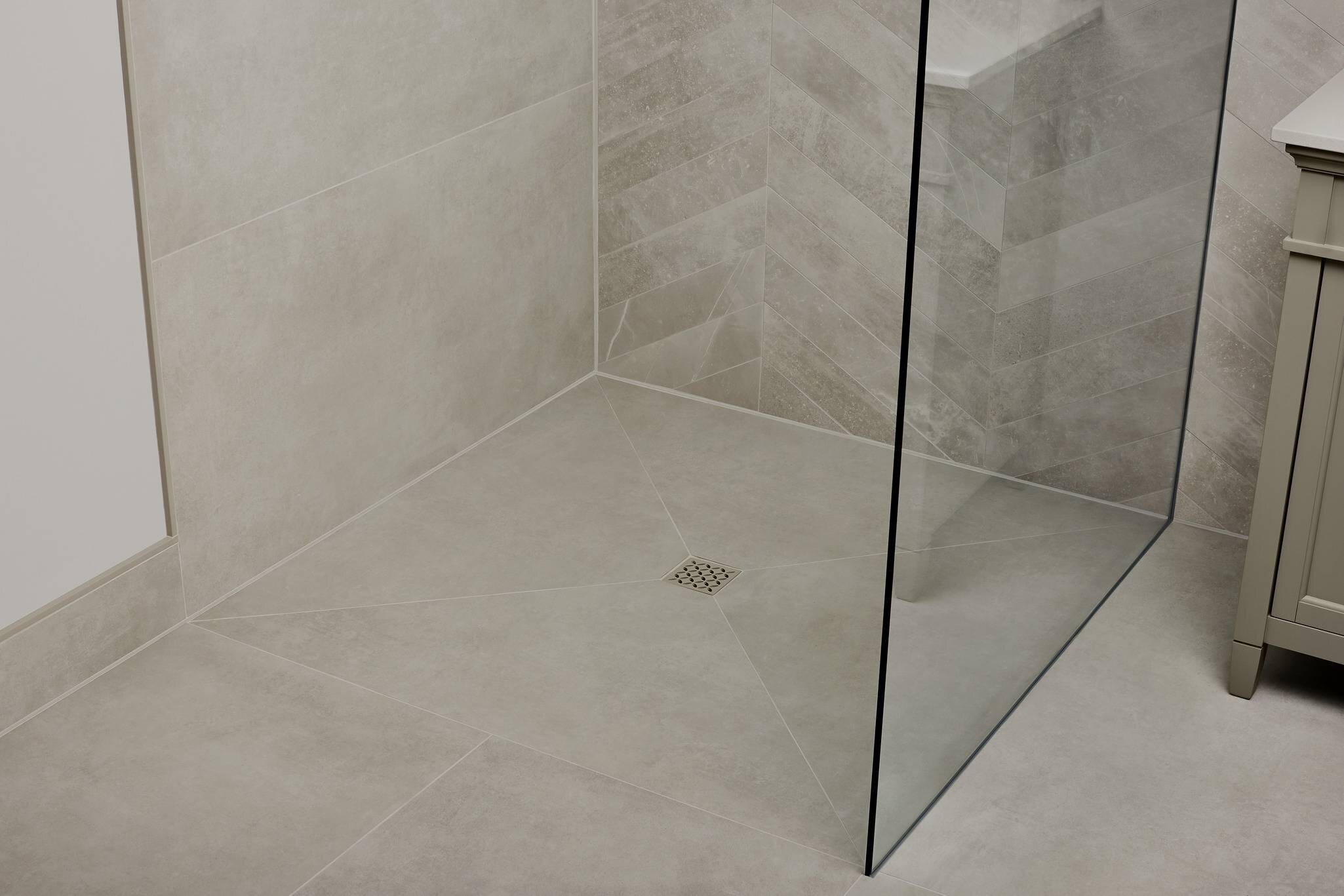
Uno de los componentes sin obstáculos más importantes de una sala de baño es una ducha accesible. La eliminación del borde de la ducha y de los umbrales elevados proporciona una superficie lisa y uniforme que facilita la maniobrabilidad de la silla de ruedas y abre posibilidades de diseño, especialmente en lo que se refiere a la selección de baldosas. ¡Las baldosas de gran formato pueden extenderse desde el piso de la sala de baño hasta la ducha!
Schluter ofrece bandejas de ducha de diferentes formas y tamaños, tanto con drenajes puntuales como lineales. Todas las bandejas de ducha Schluter cumplen con la proporción de pendiente requerida por ADA, lo que facilita la creación de duchas sin bordes. Hay dos maneras de crear duchas sin bordes conformes a ADA usando los sistemas Schluter®:
1. Rebajando el piso de la ducha, puede hacer que la bandeja de ducha prefabricada Schluter quede a ras del piso de la sala de baño. Infórmese aquí sobre esta opción tan popular.
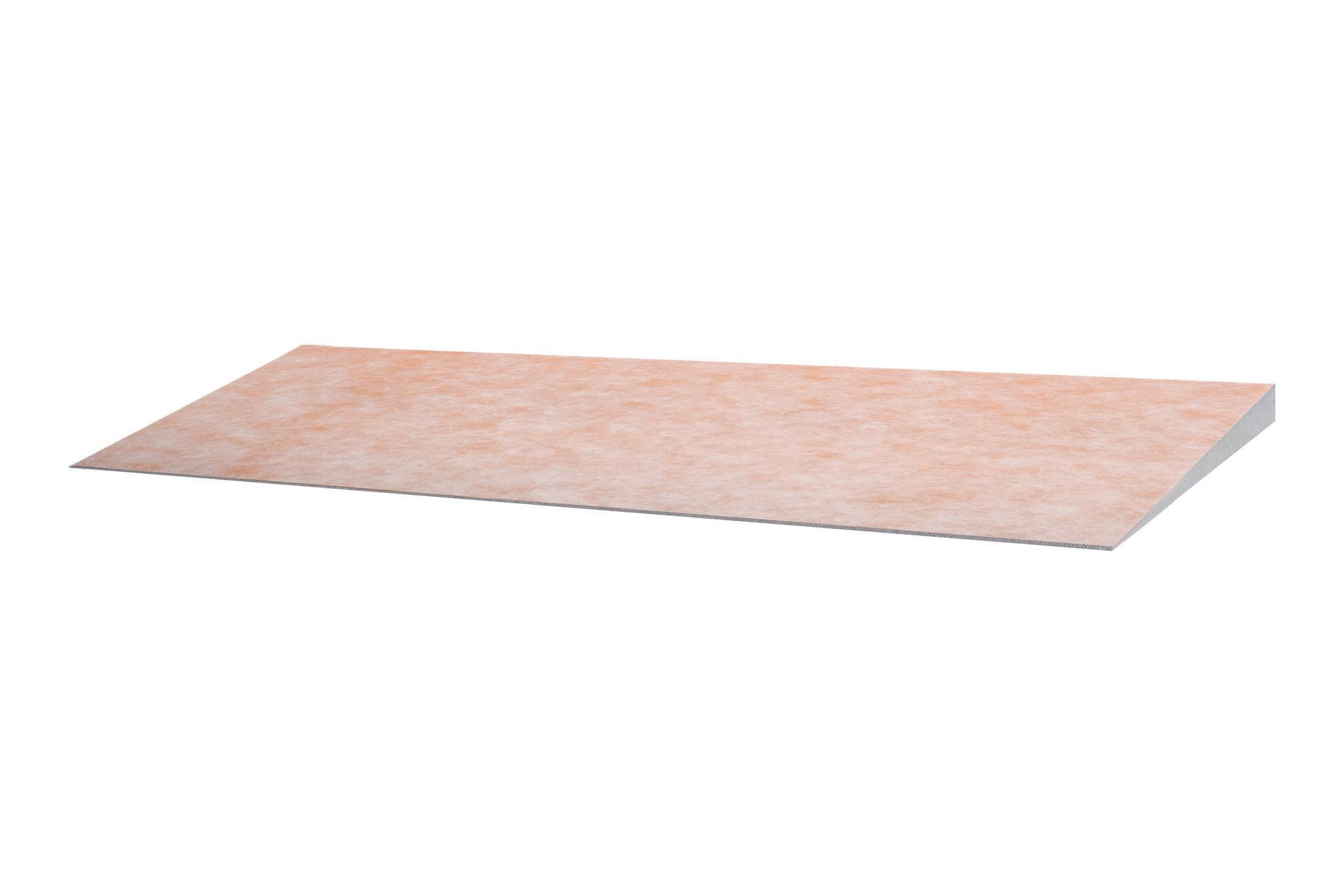
2. También puede utilizar una bandeja de ducha prefabricada junto con la rampa de ducha Schluter®-KERDI-SHOWER-R. Haga clic aquí para más información.
Impermeabilización para duchas libres de obstáculos
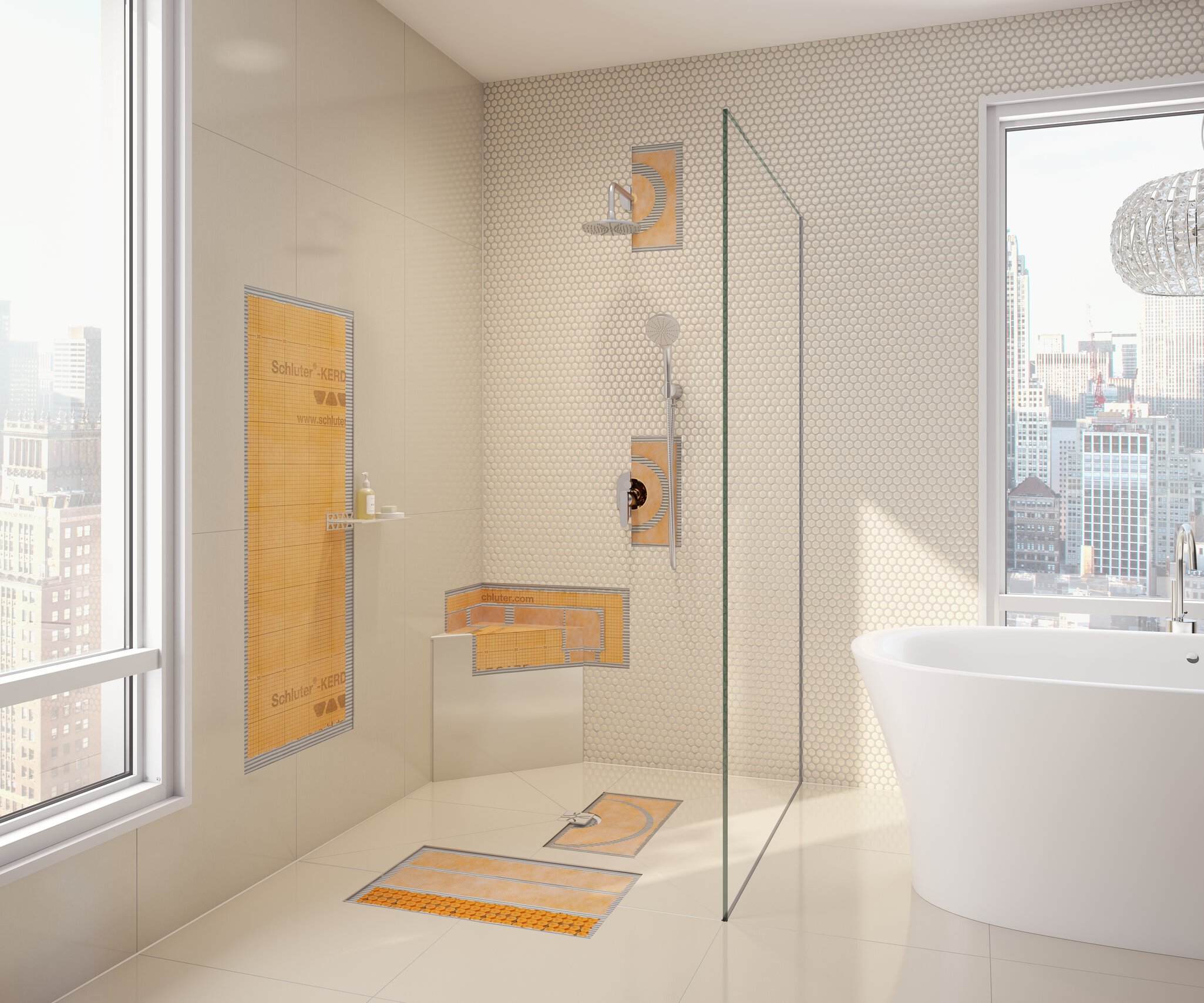
En ausencia de bordes en una sala de baño sin obstáculos, la delimitación entre las zonas húmedas y secas puede resultar borrosa. Las membranas impermeables adheridas, tanto dentro como fuera de la cabina de ducha, son necesarias para la durabilidad y la gestión de la humedad. Schluter ofrece una línea completa de productos con opciones que se integran para formar un ensamblado totalmente adherido e impermeable para las duchas sin bordes revestidas de baldosas.
Los productos KERDI de Schluter® incluyen membranas impermeabilizantes para las paredes y las bases de las duchas, así como piezas especiales para todas las zonas difíciles de proteger, como los pasos de tuberías y las esquinas interiores y exteriores. Con KERDI, puede tratar todas las áreas de su sala de baño y asegurarse de que todo el recinto es impermeable.
Proteja las baldosas de las fisuras
El uso de membranas de desacoplamiento como DITRA de Schluter® es crucial para proteger las baldosas de las fisuras. El desacoplamiento aísla los movimientos de los substratos causados por la carga, la temperatura y los cambios de humedad. Cuando sus juntas se recubren con KERDI-BAND, DITRA también proporciona impermeabilización.
Drenaje secundario
A veces, el agua puede salirse de la zona designada para la ducha, especialmente cuando se retiran las paredes o los separadores. El drenaje para pisos KERDI-DRAIN-F de Schluter® está diseñado específicamente para ser usado en pisos revestidos de baldosas junto con las membranas DITRA y DITRA-HEAT de Schluter® para proporcionar un drenaje confiable.
El camino hacia una vida inclusiva
Construir una sala de baño libre de obstáculos en casa es un esfuerzo gratificante que transforma un espacio funcional en un refugio inclusivo. Si adopta los principios del diseño universal y realiza modificaciones bien pensadas, podrá crear una sala de baño que se adapte a las necesidades de cada miembro de la familia, fomentando la independencia y la comodidad. Tanto si se trata de amoldar a un miembro de la familia con desafíos de movilidad como de planificar la accesibilidad futura, construir una sala de baño sin obstáculos es una inversión en el bienestar de su hogar y de sus ocupantes.